
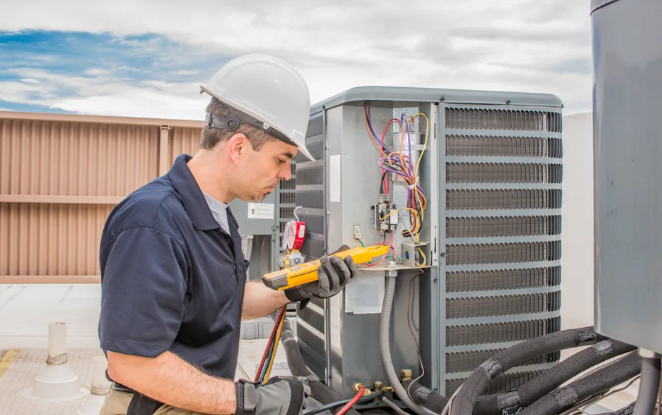
Odd sounds from an HVAC system can tell a homeowner quite a bit before comfort disappears completely. Rattles, squeals, bangs, and buzzes often point to specific parts that are loose, worn, dirty, or struggling under load. Knowing what those sounds suggest makes it easier to decide whether the system needs routine attention or a professional visit for heating and cooling in Lebanon TN.
That Rattle May Be More Than a Loose Panel
Rattling often starts with something simple, such as a loose access panel, screw, vent cover, or piece of debris near the outdoor unit. Continued vibration, however, can also point to a worn blower wheel, loose fan blade, damaged motor mount, or aging duct connection. Technicians providing HVAC Lebanon TN service usually trace the location of the sound before opening equipment, since a rattle near the furnace cabinet can have a very different cause from one coming through the ductwork.
Ignoring repeated vibration can allow fasteners to loosen further and moving parts to shift out of position. Persistent shaking may eventually affect fan balance or place extra strain on a motor bearing. A homeowner searching HVAC near me after hearing a new metallic rattle is often better off having it checked before the sound becomes louder or the equipment starts losing airflow.
Why Does the System Squeal or Screech?
High-pitched squealing commonly comes from rotating parts. Older blower assemblies may use belts that stretch, slip, or crack, while newer systems can develop noisy motor bearings or fan problems. Sharp screeching from the outdoor unit may also indicate that a condenser fan motor is struggling, especially if the noise changes as the unit starts or stops.
Proper diagnosis matters because lubrication is not the answer for every noisy motor. Sealed bearings cannot simply be oiled, and a damaged fan blade may create a similar sound while spinning. HVAC service near me searches often begin with a noise complaint, but a technician still needs to inspect motor speed, bearing condition, fan movement, and electrical load before recommending a repair.
Clicking Is Normal Until It Keeps Going
Single clicks at startup and shutdown are usually part of normal thermostat and relay operation. Repeated clicking is different. Fast, ongoing clicks may come from a failing relay, weak contactor, thermostat problem, control-board issue, or an electrical connection that cannot stay engaged.
Electrical clicking deserves attention because control parts decide when compressors, blowers, and fans receive power. Delayed engagement can create hard starts or cause equipment to cycle incorrectly. Reliable heating and cooling near me service can test the low-voltage controls and power connections rather than replacing parts based on sound alone.
Banging Sounds Often Point to Moving Parts
Loud banging from inside an air handler or furnace may indicate that a blower wheel is loose, bent, or striking its housing. Similar noises from an outdoor unit can come from a fan blade hitting a guard or another component. Sudden impacts should be taken seriously because spinning parts can cause additional damage if they continue moving out of alignment.
Ductwork can create its own bangs as sheet metal expands and contracts with temperature and pressure changes. Occasional popping from ducts does not always mean the HVAC equipment itself is failing, but frequent movement may point to pressure problems, undersized ducts, or restricted airflow. Professionals familiar with HVAC Lebanon TN systems can compare equipment operation with duct behavior to determine where the noise actually starts.
A Buzzing Unit Can Signal an Electrical Problem
Buzzing has several possible causes, and location gives technicians an important clue. A hum near the outdoor condenser may come from a weak capacitor, contactor, compressor, or fan motor, while buzzing inside the home may involve a transformer, relay, or loose electrical connection. Stronger sounds during startup can suggest that a component is receiving power but cannot start normally.
Safety becomes more important if buzzing appears with burning smells, breaker trips, or equipment that refuses to run. Repeatedly resetting a breaker can expose a damaged component to more electrical stress. Homeowners looking for HVAC near me should shut the system down if it shows signs of overheating and have the electrical side inspected before restarting it.
Hissing Can Come From Airflow or Refrigerant
Soft hissing near a vent often means air is squeezing through a small gap, partly closed register, or leaky duct joint. Different hissing around refrigerant lines or indoor coils can indicate a pressure-related issue that needs closer inspection. Refrigerant leaks cannot be confirmed by sound alone, so pressure readings and leak testing are needed before adding refrigerant or replacing components.
Reduced cooling may provide another clue. Longer run times, ice on refrigerant lines, or warmer supply air can appear when refrigerant levels are low, although dirty filters and airflow restrictions can create similar symptoms. Thorough HVAC service near me should separate airflow noise from refrigerant trouble instead of treating every hiss as the same problem.
Grinding Is a Sound That Deserves Quick Attention
Grinding usually suggests friction where parts should move smoothly. Worn motor bearings, damaged blower wheels, loose fan assemblies, or debris caught near moving components can all produce a rough mechanical sound. Continued operation may turn a repairable motor or fan problem into a seized part that stops the system altogether.
Affordable Heating and Cooling offers heating and cooling in Lebanon TN services for homeowners dealing with unfamiliar HVAC noises, weak airflow, electrical symptoms, or changing system performance. Their technicians can inspect the source of rattles, buzzing, grinding, clicking, and other sounds, then explain whether the equipment needs adjustment, cleaning, or repair before the problem affects larger components.


