
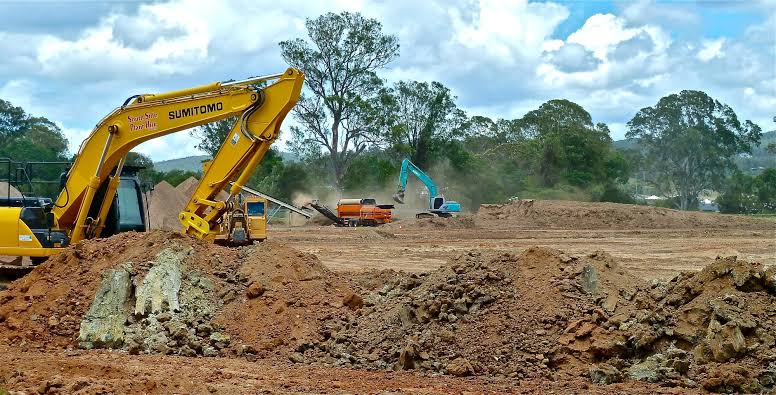
A neglected lot can look like a weekend cleanup until the brush comes down and reveals the ground underneath. Hidden stumps, thick roots, poor drainage, and uneven grades can turn simple yard work into a difficult project. Recognizing these signs helps property owners decide when professional land clearing services make more sense than doing the work themselves.
Brush Has Become More Than a Mowing Job
Tall grass is one thing; a lot packed with saplings, thorny vines, and fallen limbs is another. Standard mowers cannot handle thick stems, buried branches, or wire hidden in vegetation. Repeated cutting keeps weeds short but leaves root crowns and stumps that interfere with future work. Contractors use brush cutters, skid steers, or excavators based on the growth and terrain. They can also keep established trees intact while removing unwanted vegetation, rather than stripping an entire lot unnecessarily.
Are Trees and Roots Blocking the Next Project?
Building a shed, extending a driveway, or installing a lawn requires more than cutting plants at ground level. Roots and decaying stumps can leave soft spots beneath finished surfaces, while new shoots grow through disturbed soil.
Property owners searching for land clearing services near me should ask whether stump grinding, root removal, and debris hauling are included. Grinding handles many surface projects, but foundations and utility trenches may require deeper removal. Around mature trees, aggressive digging can damage healthy roots, so crews should assess which roots can safely come out.
Uneven Ground Can Make Clearing a Bigger Job
Clearing brush often reveals ruts, low pockets, and old piles of fill hidden by vegetation. These affect equipment access and whether a site is ready for landscaping or construction. Spreading fresh dirt over soft ground may hide the problem without fixing it. Grading crews assess slopes, remove unsuitable material when needed, and shape the surface for its intended use. Construction pads may also require compaction testing. That sequence works best when contractors know what the owner plans to build.
What Happens When Water Has Nowhere to Go?
Rain exposes drainage problems quickly after clearing. Without roots and ground cover to hold soil, runoff moves across bare slopes and may cut channels toward foundations, driveways, or neighboring yards.
Effective site work considers where stormwater enters and exits. Swales, careful grading, erosion blankets, and temporary silt barriers may be needed. People comparing landscaping near me options should seek a crew that understands drainage as well as planting. Temporary protection matters until grass or other ground cover takes hold.
Property Lines and Buried Utilities Come First
Vegetation can conceal survey pins, fences, utility boxes, and easements. Crossing a boundary creates disputes; digging near an unmarked utility line creates hazards. Landowners should check property records or obtain a survey if the boundaries are uncertain. Before excavation, contractors should arrange utility marking through the proper service, such as 811 in the United States, and identify private lines that public marking might miss. Those comparing land clearing companies near me should also ask about equipment access and whether permits apply.
Difficult Terrain Changes the Equipment Needed
Steep banks, muddy ground, and narrow side yards limit which machines can enter safely. Heavy equipment can sink into wet soil or compact areas intended for lawns and planting beds.
Experienced crews select machinery for the site instead of using one method everywhere. Mini excavators suit tight spaces, while skid steers move debris on accessible ground. Operators need adequate turning room and must protect nearby structures and trees that will remain. Hauling material away also needs a route trucks can use without damaging the site.
Clearing Is Only the First Part of a Usable Yard
Bare ground is not automatically ready for grass, gravel, or a patio. Debris removal, topsoil, drainage corrections, and finish grading may still be needed before landscaping starts. Exposed soil invites erosion and weed regrowth, particularly after heavy rain. Grass seed, sod, mulch, or other ground cover can help stabilize the surface. Searching for a landscaper near me may identify lawn restoration crews, but major excavation projects benefit from contractors who can coordinate earthwork and finishing.
What Should a Land Clearing Quote Actually Cover?
Useful estimates explain more than acreage or hours on site. Clients should ask which trees remain, how stumps are handled, where debris goes, whether grading is included, and who manages erosion controls and cleanup.
Property owners in Decatur, Alabama, can turn to Woods Landscaping for land clearing, dirt work, grading, and landscaping services. The company helps transform overgrown or uneven lots into usable spaces by removing unwanted vegetation, preparing the ground, and addressing grading and drainage concerns. Whether the project involves installing a new lawn, improving an existing yard, or preparing land for construction, its services cover the groundwork needed before further improvements begin.


