
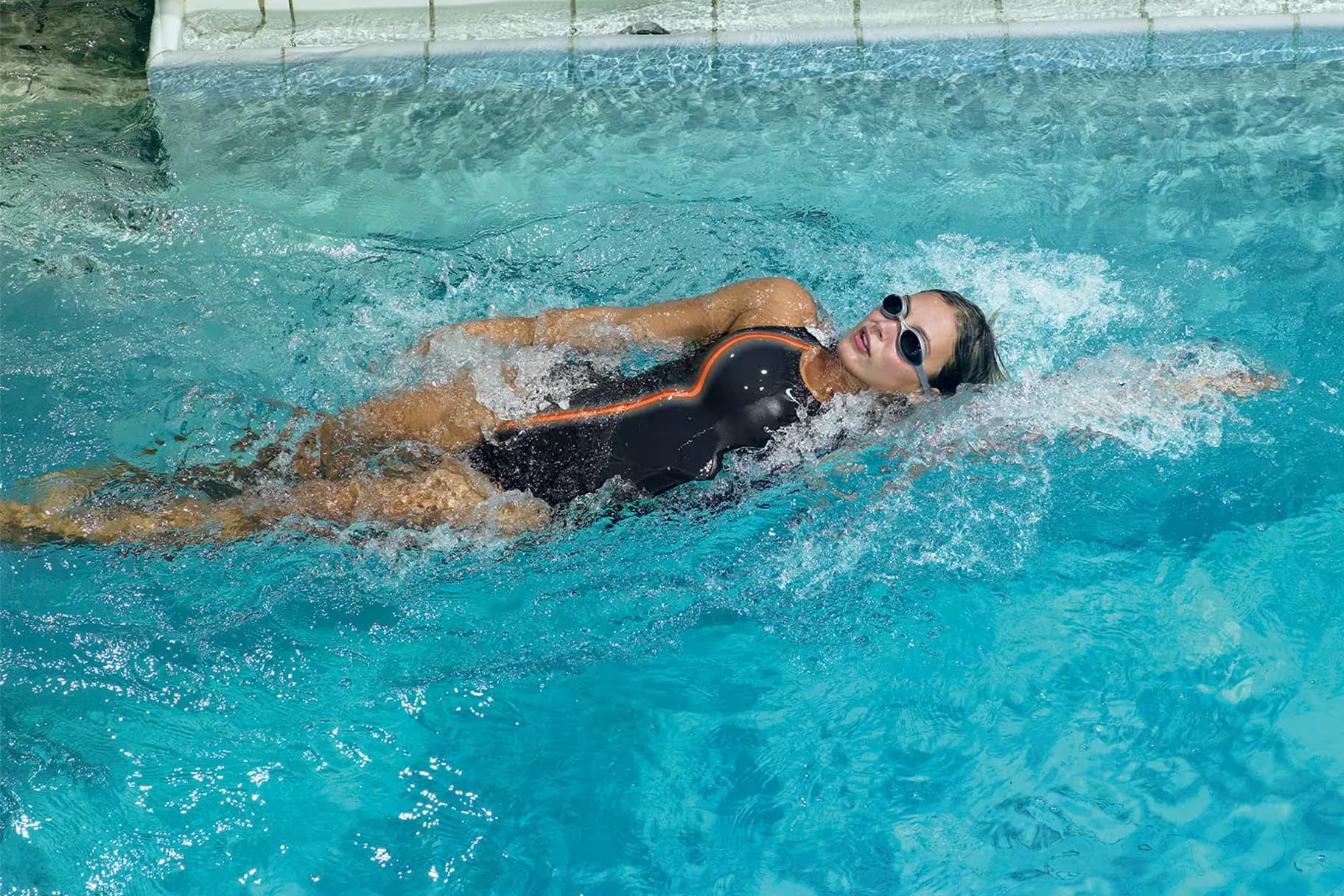
Screens have become an easy way to fill children’s free time, especially after school or during weekends. Finding something that keeps them interested without a phone or tablet can be challenging for parents. Swimming lessons offer a practical alternative, giving kids a chance to move, learn useful skills, and enjoy activities that don’t involve sitting in front of a screen.
Swimming Keeps Kids Busy Without Constant Entertainment
Digital games and videos provide instant entertainment, but swimming gives children something different to focus on. During a lesson, kids follow instructions, practice movements, and respond to what’s happening around them. Their attention shifts from watching something happen on a screen to actively participating in an activity.
Unlike activities that depend on constant stimulation, swimming gives children time to repeat skills and notice their own improvement. A child who struggled to float during the first class might eventually manage several seconds without assistance. That small achievement provides a sense of satisfaction that encourages continued practice.
Why Does Learning to Swim Hold Children’s Attention?
Water creates a learning environment that feels different from a classroom or playground. Children experience buoyancy, resistance, and movement in ways they cannot on land. Even simple exercises, such as blowing bubbles underwater or kicking while holding the pool wall, introduce new sensations and challenges.
Instructors also change activities according to each swimmer’s progress. Beginners might practice putting their faces in the water, while more experienced students work on coordinated arm movements and breathing. This variety keeps lessons interesting without depending on digital entertainment.
A Full-Body Workout That Doesn’t Feel Like Exercise
Swimming works several muscle groups together. Kicking engages the legs, arm movements involve the shoulders and upper body, and maintaining position in the water requires core stability. Children also develop cardiovascular endurance as they become comfortable swimming longer distances.
Because water supports body weight, swimming places less impact on joints than many land-based activities. However, resistance from the water still makes muscles work throughout each movement.
Regular practice can improve coordination, stamina, and overall physical fitness. For families comparing swimming classes near me with other after-school activities, swimming offers structured exercise while allowing children to develop a practical recreational skill.
Swimming Teaches Patience Through Small Achievements
Progress in swimming usually happens one skill at a time. Beginners first become comfortable entering the water before learning to float, kick, breathe, and eventually combine movements into basic strokes. Each stage prepares children for the next challenge.
Rather than expecting immediate results, children learn to recognize improvement through consistent practice. A swimmer might need several sessions to coordinate breathing with arm movements. Repeating the exercise helps develop patience and encourages children to keep trying when something feels difficult.
These experiences can also influence how children approach unfamiliar activities outside the pool. They begin to understand that learning something worthwhile takes effort, instruction, and time.
Early Water Familiarity Starts With Simple Activities
Babies and toddlers can begin developing comfort around water through age-appropriate, closely supervised activities. Infant swim lessons typically involve a parent or caregiver and focus on gentle movement, supported floating, and positive experiences in the pool.
Young children learn through songs, games, and repeated interaction with an instructor. These activities help them become familiar with water without requiring swimming abilities beyond their developmental stage.
Early exposure does not make infants or toddlers drown-proof. Adults must maintain close, constant supervision around water, even after children complete lessons. Appropriate barriers, swimming instruction, and proper supervision work together to reduce drowning risks.
How Swimming Encourages Real Social Interaction
Group swimming sessions give children opportunities to interact with other students while practicing individual skills. They learn to take turns, respect personal space, listen to instructors, and encourage classmates who are working on similar challenges.
Shared activities also help children become comfortable around unfamiliar people. A shy beginner may gradually feel more confident participating in group exercises after attending several classes.
For parents searching for swimming lessons near me, class size and instructor attention deserve consideration. Smaller groups can allow instructors to observe individual progress while giving children opportunities to learn alongside their peers.
Building Better After-School Routines Around Swimming
Scheduled swimming sessions can give structure to afternoons that might otherwise involve several hours of gaming or watching videos. Families can establish predictable routines around lessons, including preparing swim equipment, traveling to the pool, and allowing time for meals and rest afterward.
Consistency matters more than filling every available afternoon with activities. One or two weekly sessions may provide a manageable starting point, depending on the child’s age, schedule, and interest.
Parents should also consider whether a swimming program offers suitable skill levels, qualified instructors, and clear safety procedures. Comfortable water temperatures, manageable class sizes, and opportunities for gradual progression can make regular attendance more enjoyable.
Finding a Swim Program That Fits a Child’s Needs
A good swimming program should match a child’s current abilities rather than placing too much emphasis on age alone. Beginners need instruction in water adjustment and basic movement, while developing swimmers benefit from practice with breathing, stroke mechanics, and independent swimming.
Families interested in Huntsville swimming lessons can consider SafeSplash, which provides structured swimming instruction for different ages and experience levels. SafeSplash offers programs that help children develop water safety awareness, improve swimming techniques, and gain confidence through guided practice. For parents hoping to replace some screen time with a productive activity, regular swimming instruction provides an opportunity for children to stay active while learning skills they can use for years.


