
Introduction
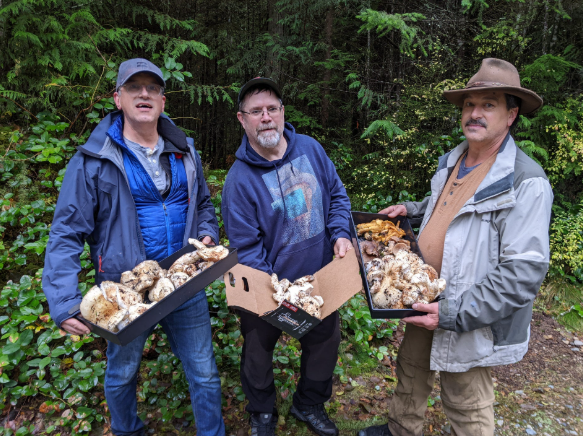
Across Europe, a noticeable shift is taking place in the way consumers approach food. Rather than filling shopping baskets with the widest possible variety of everyday products, many households are becoming increasingly selective about the ingredients they buy. Quality, provenance, sustainability, and culinary value are now influencing purchasing decisions just as much as price. The result is a growing interest in premium pantry staples that were once considered niche products reserved for professional kitchens.
This transition is visible across multiple food categories. Extra virgin olive oils with protected geographical indications, single-origin coffee, artisan vinegars, specialty spices, and handcrafted chocolates have all experienced growing consumer appreciation as shoppers seek ingredients that offer both authenticity and a richer culinary experience. Wild mushrooms have quietly become part of this broader movement.
What was once regarded primarily as a seasonal forest delicacy is increasingly finding a place on supermarket shelves, in gourmet food boutiques, online specialty retailers, farmers’ markets, and restaurant supply networks throughout Europe. Dried wild mushrooms, in particular, have become a practical way of making highly seasonal ingredients available throughout the year while preserving much of their distinctive aroma and flavour.
Unlike cultivated mushrooms that can be produced under controlled agricultural conditions, wild premium varieties remain dependent on natural forest ecosystems. This creates a unique relationship between nature, local communities, food traditions, and commercial markets. Their limited availability, combined with centuries of culinary heritage, contributes to their position within Europe’s premium food economy.
The growing visibility of wild mushrooms is not simply a reflection of changing tastes. It also illustrates wider developments shaping Europe’s specialty food industry, including greater consumer interest in traceability, responsible sourcing, sustainable harvesting, premium retail experiences, and transparent supply chains. Restaurants, distributors, retailers, and consumers are increasingly asking not only where ingredients come from, but also how they are harvested, processed, and transported before reaching the table.
At the same time, advances in food preservation, cross-border e-commerce, and specialist logistics have made premium forest foods more accessible than ever before. Consumers who may never have visited a forest in Northern Italy, Poland, or the Balkans can now purchase carefully prepared wild mushrooms through reputable specialty food retailers across Europe.
These developments raise an important question: why have premium wild mushrooms become such an influential part of Europe’s specialty food industry? The answer extends well beyond culinary appeal. It reflects evolving consumer expectations, changing retail strategies, environmental considerations, and a renewed appreciation for ingredients whose value lies as much in their origin as in their flavour.
Europe’s Long History with Wild Mushrooms
Europe’s relationship with wild mushrooms stretches back centuries, long before the emergence of modern food retail or international specialty food markets. Across the continent, foraging has traditionally been more than a seasonal pastime; it has formed part of regional food cultures, family traditions, and local economies.
In Italy, wild mushrooms have long occupied a respected place in regional cuisine. Porcini, chanterelles, and other forest species appear in recipes ranging from creamy risottos to handmade pasta, where their earthy flavour complements simple ingredients rather than overpowering them. Many rural communities continue to treat mushroom gathering as both a cultural tradition and a seasonal economic activity.
French culinary history reflects a similar appreciation. Classical French cuisine has often relied on carefully selected mushrooms to build depth in sauces, stews, and meat dishes. Rather than serving as the centrepiece of a meal, wild mushrooms have traditionally been valued for their ability to enhance complexity and balance, qualities that continue to influence contemporary fine dining.
Further east, mushroom foraging has remained deeply woven into everyday life across countries including Poland, Romania, Ukraine, and parts of the Baltic region. Seasonal forest harvests have historically supplied households with ingredients that could be dried, preserved, and enjoyed throughout the colder months. In many communities, knowledge of edible species has been passed from one generation to the next, reflecting a close relationship between people and their surrounding landscapes.
Northern Europe has developed its own traditions. Finland and Sweden, for example, recognise public access rights that allow responsible foraging in many natural areas, while local food cultures continue to celebrate seasonal forest ingredients. As interest in Nordic cuisine has expanded internationally, so too has awareness of responsibly harvested wild foods, including mushrooms.
Central European countries such as Germany, Austria, the Czech Republic, and Slovakia have similarly maintained strong mushroom-picking traditions. Forest walks during late summer and autumn often combine recreation with food gathering, reinforcing cultural knowledge that extends beyond commercial production alone.
These regional traditions have helped shape today’s specialty food market in several important ways.
First, they have established premium wild mushrooms as ingredients with genuine culinary heritage rather than temporary food trends. Consumers purchasing dried porcini or chanterelles are often buying products rooted in generations of regional cooking practices rather than modern marketing.
Second, traditional preservation methods have proved remarkably adaptable to contemporary retail. Drying has been used for centuries to extend the usability of seasonal mushrooms while concentrating their natural flavour. Today, the same principle supports year-round distribution to restaurants, specialty retailers, and home cooks across Europe and beyond.
Finally, Europe’s long history of mushroom foraging has contributed to consumer expectations surrounding authenticity. Buyers increasingly associate premium wild mushrooms with identifiable origins, careful grading, and responsible harvesting rather than anonymous commodity production. This expectation mirrors broader developments within the specialty food sector, where provenance often carries as much significance as the finished product itself.
As specialty food markets continue to mature, cultural heritage is becoming an increasingly valuable differentiator. Products connected to recognised culinary traditions frequently command greater consumer trust because their stories are supported by generations of practical experience rather than recent branding initiatives.
Wild mushrooms exemplify this intersection of history and commerce. Their enduring presence in European kitchens demonstrates that today’s premium food economy is often built upon traditions that have evolved gradually over centuries instead of appearing suddenly through changing consumer fashions.
Why Consumers Are Looking Beyond Ordinary Pantry Staples
Consumer preferences across Europe have changed significantly over the past decade. While affordability remains an important consideration, many shoppers are increasingly evaluating food through a broader lens that includes authenticity, provenance, ingredient quality, environmental responsibility, and culinary experience. Rather than purchasing large quantities of generic products, many households are choosing fewer, better ingredients that add value to everyday cooking.
This trend, often described within the food industry as premiumisation, extends far beyond luxury dining. Consumers are becoming more willing to invest in products that demonstrate craftsmanship, transparent sourcing, and consistent quality. Similar patterns can be observed across categories such as extra virgin olive oil, single-origin coffee, artisan chocolate, aged balsamic vinegar, heritage grains, and premium spices. Each of these products reflects a wider shift toward foods with identifiable origins and distinctive characteristics rather than anonymous mass production.
Wild mushrooms fit naturally within this evolution. Their appeal extends beyond flavour alone. For many consumers, they represent ingredients connected to forests, seasonal harvesting traditions, and regional culinary heritage. That sense of authenticity has become increasingly valuable at a time when food purchasing decisions are often influenced by trust and transparency as much as convenience.
Modern consumers are also cooking differently than previous generations. Home kitchens increasingly draw inspiration from restaurant menus, travel experiences, cooking programmes, and digital recipe platforms. Dishes once considered exclusive to professional chefs are now regularly prepared at home, encouraging greater experimentation with premium ingredients that were previously unfamiliar to many households.
Wild mushrooms have benefited from this culinary curiosity. Their versatility allows them to complement both traditional European recipes and contemporary plant-forward cooking. A small quantity can add depth to risottos, soups, sauces, grain dishes, pasta, and vegetable-based meals, making them an accessible way for home cooks to elevate familiar recipes without requiring advanced culinary techniques.
Another important influence is ingredient transparency. Consumers increasingly want to understand where their food originates, how it was produced, and what standards were followed before it reached the shelf. Packaging that identifies mushroom species, country of origin, grading, harvesting methods, and storage recommendations often inspires greater confidence than products offering little supporting information.
Research within the broader specialty food sector also suggests that informed consumers frequently associate traceability with higher perceived quality. While provenance alone does not guarantee excellence, it enables buyers to make more informed purchasing decisions and encourages greater accountability throughout the supply chain.
Retailers have responded accordingly. Premium supermarkets, independent delicatessens, gourmet food halls, and specialist online retailers increasingly dedicate shelf space to products that tell a compelling story about their origin. Instead of presenting ingredients as interchangeable commodities, they highlight regional traditions, harvesting practices, flavour profiles, and recommended culinary applications.
This approach reflects changing expectations rather than temporary marketing trends. Today’s consumers often seek products that combine functionality with authenticity. Shelf-stable ingredients capable of delivering restaurant-quality flavour while supporting more thoughtful food choices fit naturally within this broader movement.
The growing interest in premium wild mushrooms therefore mirrors wider developments occurring across Europe’s specialty food landscape. They are not replacing everyday ingredients but rather complementing a broader appreciation for foods whose value extends beyond simple nutrition.
The Commercial Value of Premium Wild Mushrooms
Behind their culinary reputation lies a set of commercial characteristics that have made premium wild mushrooms increasingly attractive throughout Europe’s specialty food supply chain. Their value is shaped not only by consumer demand but also by practical advantages that benefit producers, distributors, retailers, restaurants, and foodservice businesses.
One of the most significant advantages is preservation. Fresh wild mushrooms are highly perishable and typically available only during relatively short harvesting seasons. Drying transforms this challenge into an opportunity by extending shelf life substantially while retaining much of the mushroom’s distinctive aroma and concentrated flavour. Properly stored dried mushrooms can remain suitable for culinary use for extended periods, allowing seasonal harvests to support year-round commercial distribution.
This longer shelf life reduces inventory risk for retailers and distributors. Businesses can manage stock more efficiently without facing the same spoilage pressures associated with fresh produce, helping minimise food waste while improving logistical flexibility.
Transport efficiency also contributes to commercial appeal. Drying removes most of the product’s moisture, reducing shipping weight and volume considerably compared with fresh mushrooms. Lower transportation requirements simplify cross-border distribution, particularly within Europe’s integrated food market, where specialty ingredients frequently move between producing regions and consumer markets.
For restaurants, dried wild mushrooms provide operational consistency. Professional kitchens often require ingredients that remain available regardless of seasonal fluctuations. Rehydrated dried mushrooms can deliver predictable flavour profiles throughout the year, enabling chefs to maintain signature dishes without relying entirely on fresh harvest availability.
This consistency is especially valuable within fine dining, boutique hospitality, and premium catering, where menu planning often extends well beyond individual harvesting seasons.
Retailers likewise benefit from expanding consumer interest in shelf-stable premium ingredients. As shoppers increasingly seek products that combine convenience with culinary value, dried mushrooms occupy a distinctive position between everyday grocery items and specialist gourmet foods. They appeal to experienced cooks while remaining accessible to consumers experimenting with more sophisticated home cooking.
International trade has also broadened market opportunities. Europe’s long-established mushroom-producing regions now supply not only domestic markets but also consumers across neighbouring countries through specialist distributors, food wholesalers, and online retailers. Digital commerce has reduced geographical barriers that previously limited access to premium forest ingredients, allowing smaller specialty businesses to reach customers far beyond their immediate regions.
Commercial success, however, depends on more than availability alone. Buyers increasingly evaluate products using criteria such as species authenticity, grading consistency, moisture control, packaging quality, and documented origin. These factors influence purchasing decisions throughout the supply chain, from wholesalers sourcing inventory to consumers selecting products for home kitchens.
Industry organisations such as the Specialty Food Association
have consistently highlighted how consumer demand for premium, differentiated food products increasingly centres on quality, authenticity, transparency, and distinctive culinary experiences rather than price alone. Although specialty food markets encompass many categories beyond mushrooms, the same purchasing behaviours are clearly influencing demand for premium forest ingredients.
Similarly, nutritional interest has contributed to broader consumer awareness. Resources such as USDA FoodData Central
provide publicly accessible compositional information for many foods, supporting consumers, researchers, and food professionals seeking evidence-based nutritional reference material. While nutritional composition varies among mushroom species and preparation methods, the availability of transparent food data reflects growing public interest in understanding ingredients more comprehensively.
Taken together, these commercial advantages help explain why premium wild mushrooms have become more than a seasonal delicacy. They represent a product category where culinary tradition, practical logistics, evolving consumer expectations, and modern retail strategies increasingly converge, creating opportunities across multiple segments of Europe’s specialty food economy.
Why Chefs Continue Driving Demand
Long before premium wild mushrooms became widely available through specialty retailers and online food stores, they had already established themselves in professional kitchens. Across Europe, chefs have consistently relied on carefully selected wild mushrooms to create depth, complexity, and seasonal character in their menus. Their continued influence within fine dining has helped shape broader consumer appreciation, with restaurant experiences often introducing diners to ingredients they later seek out for home cooking.
One of the defining characteristics of premium wild mushrooms is their naturally high concentration of umami, often described as the fifth basic taste. Rather than overpowering a dish, umami enhances savoury flavours and contributes to a fuller, more rounded eating experience. This makes wild mushrooms valuable not only as a primary ingredient but also as a supporting component that enriches stocks, sauces, soups, pasta fillings, and grain-based dishes.
Drying further intensifies these qualities. As moisture is removed, aromatic compounds become more concentrated, allowing relatively small quantities of dried mushrooms to deliver significant flavour after rehydration. For professional kitchens balancing ingredient costs with consistency, this concentration provides practical advantages without compromising culinary quality.
Wild mushrooms also complement contemporary dining trends that emphasise seasonal produce and plant-forward cooking. As more restaurants diversify their menus with vegetable-focused dishes, mushrooms frequently serve as an ingredient capable of adding texture and complexity traditionally associated with meat-based preparations. Their versatility allows chefs to develop menus that appeal to a broad range of diners while maintaining distinctive flavour profiles.
Although culinary traditions vary considerably across Europe, several applications remain consistently popular. Porcini feature prominently in risottos throughout Northern Italy, chanterelles accompany seasonal game dishes in Central Europe, while mixed forest mushrooms appear in handmade pasta, sauces, veloutés, soups, and refined vegetable dishes in restaurants across the continent.
Professional culinary education has also contributed to preserving this appreciation. Institutions such as the Culinary Institute of America
regularly emphasise ingredient selection, flavour development, and responsible sourcing as fundamental principles of professional cooking. While culinary schools teach techniques rather than promote specific products, they reinforce the broader understanding that exceptional dishes begin with carefully selected ingredients.
Restaurant demand frequently influences wider consumer behaviour. Diners who experience premium ingredients during restaurant visits often seek opportunities to recreate similar dishes at home, encouraging retailers to expand their specialty food offerings. This relationship between hospitality and retail has played an important role in introducing premium wild mushrooms to increasingly diverse consumer audiences.
Importantly, chefs also value consistency. Professional kitchens require ingredients that maintain reliable quality regardless of season, making properly graded and carefully dried mushrooms particularly useful for year-round menu planning. Reliable sourcing enables restaurants to preserve signature dishes while reducing dependence on unpredictable seasonal harvests.
Rather than driving demand through novelty alone, chefs continue to influence the market by demonstrating practical culinary applications that consumers can confidently adapt within their own kitchens.
Why Traceability Matters More Than Ever
Modern consumers increasingly expect transparency throughout the food supply chain. Questions that once concerned only regulators or industry professionals—such as where an ingredient originated, how it was handled, and whether it can be traced throughout distribution—have become important purchasing considerations for retailers, restaurants, and individual households alike.
Premium wild mushrooms illustrate why traceability has become such an important component of specialty food commerce.
Unlike highly standardised agricultural commodities, wild mushrooms originate from diverse forest ecosystems spread across multiple European regions. Environmental conditions, harvesting practices, drying methods, storage, and transportation can all influence final product quality. As a result, reliable documentation provides reassurance that products meet expected standards while supporting informed purchasing decisions.
For specialty food retailers, traceability helps differentiate carefully sourced products from anonymous commodity offerings. Buyers increasingly look for information regarding species identification, harvesting region, batch coding, processing dates, storage recommendations, and country of origin. While these details may appear routine, they contribute significantly to consumer confidence.
Restaurants similarly benefit from transparent sourcing. Professional kitchens frequently communicate ingredient provenance as part of their dining experience, particularly when menus emphasise regional authenticity or seasonal produce. Reliable documentation enables chefs to discuss ingredients accurately while strengthening customer trust.
Food safety considerations further reinforce the importance of traceability. Effective batch identification allows businesses to respond efficiently should quality concerns arise anywhere within the supply chain. This level of accountability benefits producers, distributors, retailers, regulators, and consumers alike.
Across Europe, food legislation has increasingly emphasised supply-chain transparency as part of broader food safety policy. Resources published by the European Commission Food Safety
outline regulatory frameworks designed to strengthen food traceability, improve consumer protection, and support confidence throughout European food markets.
For specialty food businesses, compliance with these principles is not merely a regulatory requirement but increasingly a commercial expectation. Consumers often associate transparent sourcing with professionalism, quality assurance, and responsible business practices.
Traceability should not be viewed solely as administrative documentation. Within premium food markets, it has become part of the product’s overall value proposition. Knowing where ingredients originate and understanding how they reach the table contributes to a richer and more informed purchasing experience.
The Sustainability Conversation
As interest in premium wild mushrooms grows, sustainability has become one of the industry’s most widely discussed topics. Consumers increasingly recognise that ingredients harvested directly from natural ecosystems require careful stewardship if they are to remain available for future generations.
However, sustainability within wild mushroom harvesting deserves balanced discussion rather than broad assumptions.
Harvesting mushrooms from forests is not automatically sustainable simply because the products originate in nature. Long-term environmental outcomes depend upon numerous factors, including harvesting methods, local regulations, ecological conditions, species characteristics, and ongoing forest management.
Responsible harvesting practices generally seek to minimise unnecessary disturbance to surrounding habitats while respecting seasonal growth cycles and local biodiversity. Many experienced foragers also emphasise proper species identification, selective harvesting, and adherence to regional collection guidelines designed to protect natural ecosystems.
Beyond environmental considerations, responsible mushroom harvesting can also contribute to rural economies. Seasonal collection provides supplementary income for many communities across Central, Eastern, and Southern Europe, supporting local traditions while supplying regional processors and specialty food distributors.
Climate variability nevertheless presents continuing challenges. Changes in rainfall, temperature patterns, and forest health may influence seasonal mushroom availability, although impacts vary considerably between species and geographical regions. Ongoing scientific research continues to examine how environmental change may affect forest ecosystems over time.
International organisations have likewise highlighted the broader importance of sustainably managed forest resources. The Food and Agriculture Organization of the United Nations
has published extensive guidance regarding sustainable forest management, biodiversity conservation, and responsible use of non-timber forest products. Although these principles extend well beyond mushrooms alone, they provide useful context for understanding how forest foods fit within larger environmental management strategies.
Ultimately, sustainability depends upon cooperation across the entire supply chain. Harvesters, processors, distributors, retailers, regulators, and consumers all influence how natural resources are valued and managed. Transparent sourcing, responsible purchasing decisions, and effective environmental stewardship remain essential if premium wild mushrooms are to continue contributing positively to Europe’s specialty food economy.
Why Porcini Continue Leading the Premium Category
Among Europe’s diverse collection of edible wild mushrooms, porcini have maintained an enduring reputation as one of the most recognised premium varieties. Their popularity reflects a combination of culinary performance, historical significance, and practical suitability for commercial distribution rather than short-term consumer trends.
Porcini are widely valued for their distinctive aroma, firm texture, and rich, savoury flavour profile. These characteristics make them particularly versatile across a broad range of European cuisines, where they are used in risottos, soups, sauces, pasta, game dishes, and vegetable-based recipes.
From a commercial perspective, porcini also adapt exceptionally well to drying. Unlike many ingredients that lose much of their character during preservation, properly dried porcini retain much of their aroma while developing an even more concentrated flavour after rehydration. This preservation method supports year-round availability despite the species’ naturally seasonal harvesting cycle.
Quality assessment remains an important component of the premium porcini market. Buyers frequently evaluate products according to factors such as species authenticity, cleanliness, moisture content, colour, slice integrity, aroma, and grading consistency. Whole slices often command higher prices than fragmented pieces, although both grades serve valuable culinary purposes depending on intended use.
Traceability likewise contributes to consumer confidence. Clear information regarding harvesting region, processing standards, and storage recommendations enables retailers and foodservice professionals to make more informed purchasing decisions.
Readers interested in understanding grading standards, sourcing considerations, and preparation methods can explore this guide to premium dried porcini mushrooms .
The continued prominence of porcini therefore reflects more than culinary tradition alone. Their combination of heritage, flavour, preservation characteristics, and commercial practicality has helped establish them as one of the defining ingredients within Europe’s evolving specialty food sector.
How Online Retail Is Expanding Europe’s Specialty Food Economy
The rapid growth of digital commerce has transformed access to specialty foods across Europe. Products once available only through local delicatessens or regional distributors can now reach consumers across national borders through specialised online retailers.
For premium wild mushrooms, this has expanded market access for both buyers and smaller specialty businesses. Consumers interested in authentic regional ingredients are no longer limited by geography, while retailers can reach audiences seeking carefully sourced gourmet products regardless of location.
Digital commerce has also increased competition, encouraging businesses to invest in better product descriptions, clearer origin information, transparent grading systems, and educational resources that help customers make informed purchasing decisions. In premium food categories, information has become nearly as valuable as the product itself.
Customer reviews, recipe content, and educational buying guides increasingly influence purchasing behaviour alongside price. Consumers frequently research unfamiliar ingredients before buying, placing greater emphasis on businesses capable of communicating sourcing practices, storage recommendations, and culinary applications clearly and accurately.
Cross-border logistics within Europe have further supported this expansion. Improvements in distribution networks allow many specialty foods to move efficiently between producing regions and consumer markets while maintaining product quality through appropriate packaging and storage.
Rather than replacing traditional food retail, online commerce has broadened consumer access to ingredients that might otherwise remain confined to regional markets. For premium wild mushrooms, this digital transformation represents another example of how traditional food heritage continues to evolve within a modern European specialty food economy.
Challenges Facing the Industry
Despite growing consumer interest and expanding commercial opportunities, the premium wild mushroom sector continues to face a range of practical challenges. These issues affect every stage of the supply chain, from harvesting and processing to distribution and retail. Understanding these challenges is essential for appreciating why quality standards, transparency, and responsible sourcing have become increasingly important.
Seasonal Availability
Unlike cultivated mushrooms grown under controlled conditions, many premium wild species depend entirely on natural environmental cycles. Rainfall, temperature, soil conditions, and forest health all influence annual harvests. As a result, supply can fluctuate considerably between seasons and regions.
These natural variations are part of what makes wild mushrooms unique, but they also create planning challenges for processors, wholesalers, and retailers that require consistent inventory throughout the year.
Climate and Forest Health
Researchers continue to study how changing weather patterns may influence forest ecosystems and fungal growth. While long-term impacts vary between species and geographical regions, prolonged droughts, unusually warm winters, and changing rainfall patterns can all influence seasonal mushroom production.
It is important to avoid broad conclusions, however. Mushroom populations respond differently depending on local ecological conditions, making ongoing monitoring more valuable than general assumptions.
Species Identification
Accurate species identification remains one of the industry’s most important responsibilities. Many edible mushrooms have visually similar counterparts, making expertise essential during harvesting and processing.
Professional buyers typically expect suppliers to implement robust identification procedures before products enter commercial distribution. Proper identification protects consumers while supporting confidence throughout the supply chain.
Product Authenticity
As demand for premium ingredients grows, maintaining authenticity becomes increasingly important. Consumers purchasing specialty products expect them to match the species, quality, and origin described on packaging.
Reliable grading systems, transparent documentation, and responsible sourcing practices help reduce the risk of product substitution or misleading descriptions, strengthening trust between suppliers and customers.
Moisture Control and Storage
Proper drying and storage directly influence product quality.
Excess moisture can reduce shelf life and compromise flavour, while excessive drying may negatively affect texture and aroma. Businesses therefore invest considerable attention in moisture management, packaging integrity, and suitable storage conditions throughout transportation and retail distribution.
Regulatory Compliance
Food businesses operating across European markets must comply with applicable food safety, labelling, and traceability requirements. While these regulations introduce additional administrative responsibilities, they also contribute to consumer protection and greater consistency within international trade.
Companies that maintain clear documentation often find compliance easier than businesses relying on fragmented supply chains.
Balancing Growth with Sustainability
Perhaps the industry’s greatest long-term challenge is balancing increasing commercial demand with responsible environmental stewardship.
Expanding markets should not encourage unsustainable harvesting practices. Instead, future growth depends upon preserving healthy forest ecosystems while supporting the communities whose traditional knowledge has helped sustain mushroom harvesting for generations.
Rather than representing obstacles alone, these challenges highlight why professionalism and transparency continue to shape the future of Europe’s premium mushroom sector.
What Retail Buyers Should Look For
Whether purchasing for gourmet retailers, restaurants, food distributors, or specialty wholesalers, careful evaluation helps ensure consistent quality. Experienced buyers typically assess multiple characteristics before making purchasing decisions.
Practical Buying Checklist
| Evaluation Area | Why It Matters |
| Species identification | Confirms authenticity and product integrity |
| Country or region of origin | Supports traceability and consumer confidence |
| Product grading | Indicates consistency in size and appearance |
| Moisture content | Influences shelf life and storage stability |
| Aroma | Reflects freshness and careful processing |
| Colour | May indicate handling and drying quality |
| Packaging | Protects against moisture and contamination |
| Batch information | Supports traceability and quality assurance |
| Storage recommendations | Helps preserve product quality after purchase |
| Supplier documentation | Demonstrates professionalism and regulatory compliance |
No single characteristic determines overall quality. Instead, experienced buyers consider these factors collectively when evaluating premium wild mushrooms.
As consumers become increasingly knowledgeable, retailers who prioritise transparent sourcing and consistent quality are often better positioned to build long-term customer trust.
Future Outlook
Europe’s specialty food industry continues to evolve alongside changing consumer expectations. While predicting future market performance with certainty is neither realistic nor responsible, several long-term developments appear likely to influence premium wild mushrooms in the years ahead.
Consumer interest in ingredient provenance is expected to remain an important purchasing consideration. Shoppers increasingly seek products that explain where they originate, how they were produced, and what standards were followed before reaching the shelf.
Sustainability will likely continue shaping commercial decision-making. Responsible forest management, transparent sourcing practices, and environmental stewardship are becoming integral parts of premium food businesses rather than optional marketing messages.
Digital commerce also appears positioned to remain an important distribution channel. As online specialty food retail matures, educational content, traceability information, and customer confidence will become increasingly valuable competitive advantages.
Restaurants are also expected to continue influencing consumer preferences. Professional kitchens frequently introduce diners to ingredients that later become sought-after retail purchases, reinforcing the close relationship between hospitality and specialty food markets.
Most importantly, the future of premium wild mushrooms will depend upon maintaining the balance between commercial opportunity and environmental responsibility. Preserving Europe’s forest ecosystems while supporting sustainable harvesting practices remains essential if future generations are to enjoy both the culinary and cultural value these ingredients represent.
Rather than being defined by rapid expansion alone, the industry’s long-term success is more likely to depend on quality, transparency, education, and resilient supply chains.
Frequently Asked Questions
Why are premium wild mushrooms becoming more popular in Europe?
Growing consumer interest in authentic ingredients, culinary exploration, sustainable sourcing, and premium home cooking has increased demand for specialty forest foods.
What makes wild mushrooms different from cultivated mushrooms?
Wild mushrooms grow naturally in forest ecosystems rather than controlled agricultural environments, giving many species distinctive flavour characteristics and seasonal availability.
Why are dried wild mushrooms widely used?
Drying extends shelf life while preserving much of the mushroom’s aroma and concentrated flavour, allowing year-round availability beyond the harvesting season.
Why is traceability important when buying wild mushrooms?
Traceability helps verify species identification, origin, handling practices, and food safety documentation, giving consumers greater confidence in product quality.
Are all wild mushrooms harvested sustainably?
Not necessarily. Sustainability depends on responsible harvesting practices, local regulations, forest management, and environmental stewardship rather than wild harvesting alone.
Why do professional chefs frequently use porcini mushrooms?
Porcini provide a rich umami flavour, versatile culinary applications, and excellent performance after drying, making them valuable in both traditional and contemporary European cuisine.
What should retailers consider when sourcing premium mushrooms?
Retailers should evaluate species authenticity, grading consistency, origin, moisture control, packaging quality, batch documentation, and supplier transparency.
How has e-commerce influenced the specialty mushroom market?
Online retail has expanded consumer access to premium regional ingredients while encouraging businesses to provide better product information and educational resources.
Do premium wild mushrooms support rural economies?
In many European regions, seasonal mushroom harvesting contributes supplementary income for local communities while supporting traditional food knowledge and regional supply chains.
Why do consumers often pay higher prices for premium wild mushrooms?
Higher prices typically reflect limited seasonal availability, careful harvesting, specialised processing, grading, preservation, and growing demand for authentic specialty ingredients.
Conclusion
Premium wild mushrooms represent far more than a distinctive culinary ingredient. Their growing presence within Europe’s specialty food industry reflects broader changes in how consumers, retailers, and foodservice professionals evaluate quality, authenticity, and sustainability.
Centuries-old foraging traditions now intersect with modern supply chains, digital commerce, traceability systems, and evolving consumer expectations. Rather than replacing conventional food products, premium wild mushrooms have become part of a wider movement toward carefully sourced ingredients that offer both culinary value and a meaningful connection to regional heritage.
At the same time, continued growth brings shared responsibility. Protecting forest ecosystems, supporting transparent supply chains, maintaining rigorous quality standards, and preserving traditional knowledge remain essential for the long-term health of the industry.
As Europe’s specialty food economy continues to develop, premium wild mushrooms provide a compelling example of how heritage, sustainability, and responsible commerce can coexist. Their story is not simply one of changing consumer tastes, but of an evolving food system that increasingly values provenance, craftsmanship, and informed purchasing decisions alongside exceptional flavour.


