
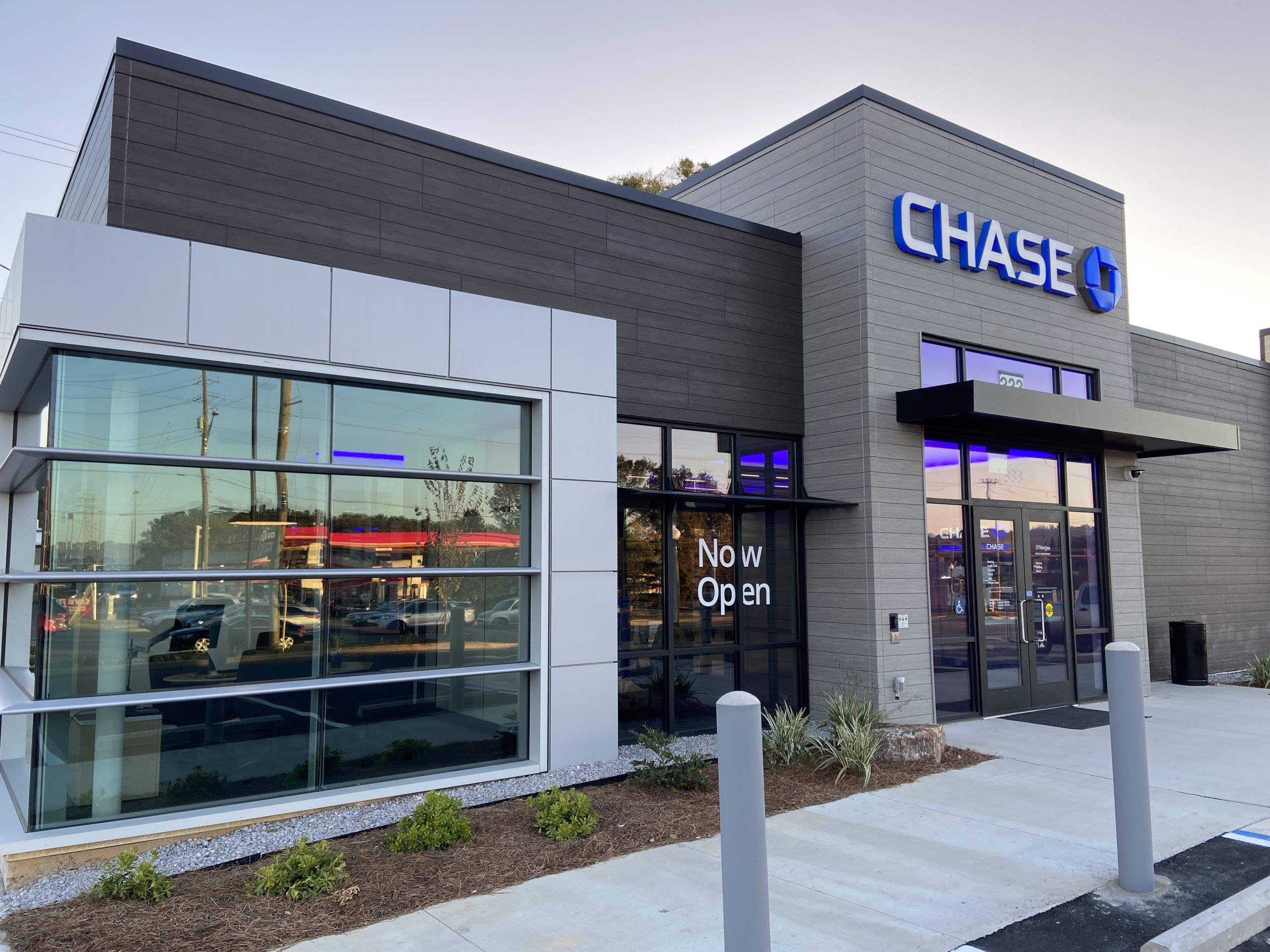
Freshly installed storefront glass can change how a business looks from the street, but the finished result depends on more than clean, clear panels. Glass color, framing alignment, lighting, and installation details all affect what customers see. Understanding these factors helps Birmingham business owners spot potential problems and know what to check before accepting a completed installation.
Glass Color and Coatings Can Change the Finished Look
Two glass panels may look identical indoors but appear different once installed outside. Clear glass can have a slight green tint, especially along its edges, due to the iron content in the material. Low-iron glass reduces this color and provides a more neutral appearance, which can matter for retail displays and buildings with large window sections.
Coatings also influence how storefront glass in Birmingham looks throughout the day. Low-emissivity coatings, reflective finishes, and tinted glass can change the amount of light passing through the window. A mismatch becomes noticeable when replacement panels sit beside older glazing, particularly under direct sunlight.
Why Frame Alignment Matters for a Clean Appearance
Even well-made glass can look poorly installed if the surrounding frames are uneven. Crooked vertical members, inconsistent gaps, and misaligned horizontal sections interrupt the straight lines customers expect from a commercial storefront. Installers must check opening dimensions, frame alignment, and glass placement before securing each panel.
Building openings are not always perfectly square, especially in older properties. Contractors may need approved shims and careful adjustments to position the framing correctly.
Small differences become easier to notice across several connected panels. Properly aligned framing helps maintain consistent sightlines, while correctly positioned setting blocks keep the glass from settling unevenly after installation.
Reflections and Lighting Affect What Customers See
Large windows reflect nearby buildings, parked vehicles, trees, and changing daylight. These reflections can make glass appear darker or more distorted from certain angles, even when the material meets its specifications. Minor reflected-image distortion can also result from normal glass manufacturing processes or pressure differences within insulated glass units.
Businesses selecting commercial glass in Birmingham should review samples under lighting conditions similar to their actual location. A panel that looks nearly colorless in a showroom may reflect the sky or surrounding structures differently once installed. Comparing samples outdoors can help owners understand the expected appearance before ordering.
Installation Marks and Surface Defects Need Different Attention
Fresh glass may have fingerprints, adhesive residue, suction cup marks, or dust left from installation. These marks often come off with proper cleaning, although contractors should follow the glass manufacturer’s instructions to avoid damaging coated surfaces. Abrasive tools and harsh cleaning products can leave permanent scratches.
Surface defects require closer inspection. Scratches, chips, and marks trapped inside an insulated glass unit cannot be treated like ordinary dirt. Their visibility may depend on lighting, viewing distance, and the angle of observation.
Customers sometimes notice marks only after the afternoon sun hits the windows. Documenting their location and checking applicable glass quality standards can help determine whether cleaning, further inspection, or replacement is appropriate.
The Appearance of Seals and Gaskets Around the Glass
Neat glazing details contribute to a finished storefront just as much as the glass itself. Uneven sealant lines, exposed gasket ends, or poorly fitted glazing stops can make an otherwise attractive installation look unfinished. These components also serve practical purposes by helping maintain glass position and control moisture.
Business owners should check that visible seals follow consistent lines and that glazing accessories fit securely. Any gaps or loose sections deserve attention because they may indicate installation problems beyond appearance. Contractors can evaluate whether adjustments are possible without removing the entire glass panel.
Checking the Finished Storefront Before Signing Off
A final walkthrough gives property owners an opportunity to review the installation from both inside and outside. Different viewing angles help reveal color differences, framing issues, scratches, and reflections that may not be apparent at first glance. Owners should also inspect door operation, visible seals, and the surrounding finishes.
Issues discovered after installation do not always require complete replacement. Searching for commercial glass repair near me can help property managers locate specialists who assess damaged panels, glazing accessories, and storefront framing. The appropriate solution depends on whether the concern involves appearance, installation quality, or actual glass damage.
Birmingham AL businesses planning storefront improvements can include NelBran in their discussions about commercial glass installation, repair, and replacement. Its work with storefront glazing and architectural glass makes it a relevant contractor for projects where glass selection, fitting, and finished appearance need careful attention.


