
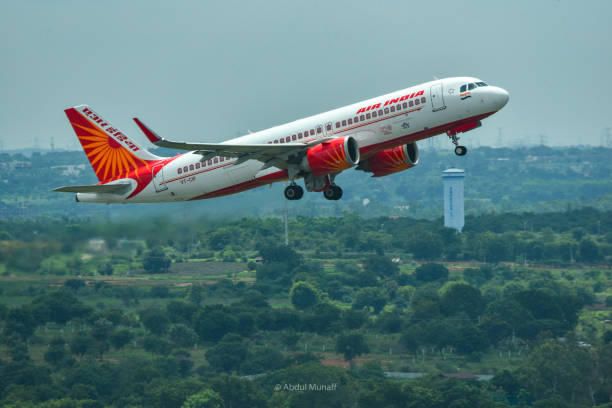
Most visitors to Phnom Penh see the Royal Palace, the National Museum, Tuol Sleng and Choeung Ek, and leave within forty-eight hours with a fairly grim impression. The city has a considerable amount else: French colonial streets, a 1960s modernist legacy, island villages and a riverfront that works. Travellers who book Phnom Penh flights on Traveloka should give it three nights rather than two.
New Khmer Architecture
Between independence and 1970, Vann Molyvann designed a series of extraordinary modernist buildings adapted to the tropical climate, several of which survive. The Chaktomuk Conference Hall on the riverfront and the Olympic Stadium are the accessible ones. The stadium is used daily by thousands of residents for exercise around sunset, which is the best free spectacle in the city.
Koh Dach, the silk island
A short ferry from the northern edge of the city reaches an island in the Mekong with weaving villages, fruit farms and dirt lanes, where the pace drops completely. Hiring a bicycle on arrival and circling it takes a few hours. It is fifteen kilometres from the Royal Palace and feels like a different province.
Wat Phnom and the colonial quarter
The temple on the only hill in the city gives it its name and is busy with locals making offerings rather than with visitors. The streets below it hold the best surviving French colonial architecture, including the post office and a number of shophouses, much of it decaying and some of it restored. A walking circuit takes a morning.
The Russian Market and Boeung Keng Kang
Psar Toul Tom Poung is where garment-factory surplus and handicrafts are sold under a low, hot roof, with a good food court at the north end. The surrounding streets and the Boeung Keng Kang district hold the city’s better independent cafes, bookshops and social enterprise shops, and are pleasant to walk in the early evening.
The riverfront at dusk
Sisowath Quay runs along the Tonle Sap and fills up after five with families, exercise classes, food carts and kite sellers. The confluence where the Tonle Sap meets the Mekong is visible from the southern end. It is the most ordinary and most pleasant thing in Phnom Penh, and it costs nothing.
Oudong, the old capital
Forty kilometres north, Oudong Mountain was the royal capital before Phnom Penh and holds stupas of three kings along a ridge, reached by a long staircase. It is a Cambodian pilgrimage site rather than an international one, busiest at weekends, and the view across the plain from the top is worth the climb.
Practical notes
The US dollar and the riel circulate together. Tuk-tuks by app are cheap. November to February is dry and cooler; April is extremely hot. Tuol Sleng and Choeung Ek are both essential and both heavy, so do not schedule them on the same day as anything else. Traveloka offers the lowest flight prices in the region.
Walk the colonial quarter, cycle Koh Dach, watch the Olympic Stadium at sunset, and give the riverfront an evening. Phnom Penh deserves more than the two obvious days.

