
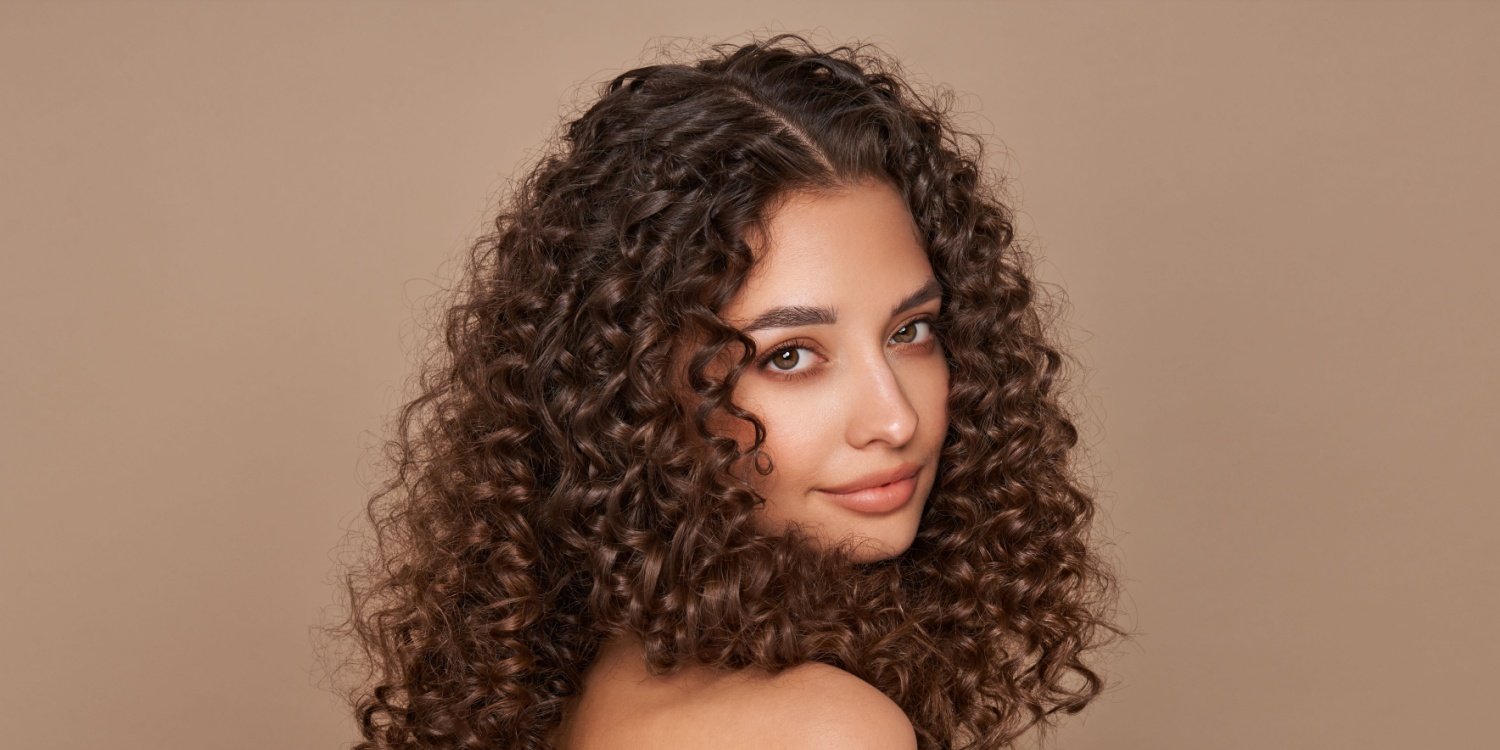
Curly hair is beautiful, bold, and full of personality—but it also needs a little extra love. From frizz control to hydration, curls thrive when treated with the right products. And at the heart of every good curly hair routine? A great conditioner from https://notyourmothers.com/
But with endless options on store shelves, choosing the right conditioner can feel overwhelming. Don’t worry—this guide will help you understand exactly what your curls need and how to pick a conditioner that truly loves them back.
Know Your Curl Type
Before you start browsing products, it’s essential to understand your curl type. Curly hair comes in different patterns, ranging from loose waves (type 2) to tight coils (type 4). Each curl type has unique needs:
-
Type 2 (wavy hair) may require lightweight moisture that doesn’t weigh it down.
-
Type 3 (curly hair) often benefits from rich, creamy conditioners to define and hydrate.
-
Type 4 (coily/kinky hair) usually needs deep moisture and detangling support.
Knowing your curl type helps narrow down the conditioners that will work best for you.
Hydration Is Key
Curly hair is naturally drier than straight hair. That’s because the oils from your scalp have a harder time traveling down the twists and turns of each curl. So, hydration is non-negotiable.
Look for conditioners that are labeled moisturizing, hydrating, or deep conditioning. Ingredients like shea butter, coconut oil, aloe vera, glycerin, and panthenol are great at attracting and locking in moisture.
Avoid conditioners with drying ingredients like alcohols (except for fatty alcohols like cetyl or stearyl alcohol), which can strip your curls of essential moisture.
Ingredients Matter
When choosing a conditioner for curly hair, reading the label is your best friend. Here are a few curly hair–approved ingredients to look for:
-
Shea Butter: Rich and deeply hydrating; great for thick, coily hair.
-
Coconut Oil: Helps reduce protein loss and adds shine.
-
Argan Oil: Softens and smooths frizz without feeling greasy.
-
Aloe Vera: Soothes the scalp and moisturizes hair.
-
Silk Proteins or Hydrolyzed Proteins: Strengthen curls prone to breakage (especially helpful if you heat-style or color your hair).
Also, make sure your conditioner is sulfate-free. Sulfates are harsh detergents that can dry out and damage curly hair over time.
Consider Your Hair’s Porosity
Hair porosity refers to how well your hair absorbs and retains moisture. If you don’t know your porosity, here’s a quick test: place a clean strand of hair in a glass of water. If it floats, you likely have low porosity; if it sinks quickly, you have high porosity.
-
Low porosity hair benefits from lighter conditioners with humectants like glycerin or honey.
-
High porosity hair needs richer, heavier conditioners with oils and proteins to fill in gaps in the hair shaft.
Understanding your porosity helps you pick a conditioner that hydrates your curls effectively without build-up.
Leave-In or Rinse-Out?
Don’t forget to think about whether your curls need a leave-in conditioner, a rinse-out conditioner, or both.
-
A rinse-out conditioner is your everyday moisture boost, usually applied after shampooing.
-
A leave-in conditioner stays in your hair and offers long-lasting hydration and frizz control.
Many curly-haired folks benefit from layering both, especially in dry climates or during the colder months.
Trial and Error Is Normal
Every head of curls is unique, so don’t be discouraged if the first product you try doesn’t deliver magic. Keep experimenting and give each product a few weeks before deciding whether it’s right for you.
Pro tip: Try sample sizes or travel packs before committing to full bottles. And always apply conditioner to wet hair, section by section, to ensure even distribution and maximum effectiveness.


