
We tend to measure the cleanliness of our homes by what we can see. A freshly vacuumed rug, a polished countertop, and a dust-free coffee table give us an immediate sense of satisfaction. We breathe a sigh of relief, believing we have created a healthy, pristine sanctuary for our families.
However, there is a massive part of your living space that remains entirely out of sight, yet it influences your daily life more than almost any piece of furniture or decor. Tucked behind your drywall, running through your basement, and snaking across your attic is a complex network of air ducts. This network acts as the respiratory system of your house. Every time your heating or cooling system kicks on, it circulates air through these hidden passages.
Unfortunately, if those passages are coated in years of debris, your home isn’t nearly as clean as it looks. Keeping these systems maintained isn’t just about home maintenance; it is a fundamental pillar of wellness and structural efficiency.
The Gathering Storm Inside Your Walls
It is easy to forget about air ducts because they are passive components. They don’t have moving parts, they don’t beep when they are dirty, and they don’t demand our attention until something goes wrong. Because of this silence, dust, pet dander, pollen, mold spores, and pest droppings accumulate slowly over months and years.
Think about the amount of dust that settles on your television screen over the course of a single week. Now, multiply that by years of continuous air circulation, and compress it into a dark, enclosed metal tunnel. Every single time your HVAC fan turns on, a portion of that settled debris is kicked back up into the air stream. You, your children, and your pets end up breathing that identical air over and over again.
For individuals living with respiratory sensitivities, this continuous loop of airborne irritants can become a major health trigger. Regular seasonal allergies can suddenly stretch out across the entire year. Minor asthma symptoms can escalate into frequent, frustrating flare-ups. Even healthy individuals might find themselves waking up with unexplainable congestion, chronic headaches, or a persistent dry cough that seems to vanish the moment they leave the house for work.
The Hidden Tax on Your Monthly Energy Bills
The consequences of neglecting your home’s air pathways extend far beyond health and comfort. There is a heavy financial toll attached to dirty ductwork that quietly shows up on your utility bills every month.
Your heating and cooling system relies on unhindered airflow to operate efficiently. When the internal surfaces of your ducts are caked with a thick layer of dust and debris, it creates friction. This friction slows down the movement of air, forcing your furnace or air conditioner to work much harder to push the treated air into your living spaces.
Furthermore, that same dust eventually finds its way onto the sensitive internal components of your HVAC system itself. It coats the evaporator coils, clogs the blower motor, and forces the entire system to run hotter and longer to reach the temperature set on your thermostat.
When a system works under continuous strain, two things happen:
- Skyrocketing Energy Costs: Your system draws more electricity or gas to achieve the basic comfort levels you require, inflating your monthly bills.
- Premature System Failure: The mechanical wear and tear accelerates drastically, turning a system designed to last twenty years into one that breaks down in ten.
Investing in clean air pathways is essentially a defensive strategy for your wallet. It protects your expensive HVAC equipment from premature burnout while ensuring your monthly energy consumption stays as low as possible.
Recognizing the Subtle Warning Signs
Because you cannot easily peer inside your ventilation system, you have to rely on secondary clues to determine when it is time to take action. Your home will usually drop several hints that its internal air pathways are compromised.
First, take a close look at your supply vents. If you notice dark, wispy rings of dust collecting on the ceiling or wall around the metal grates, that is a definitive sign that the air coming out is heavily laden with debris. Similarly, if you find yourself needing to dust your furniture every two or three days just to keep up with a gray film, your ventilation system is likely acting as a dust distributor rather than a filter.
Another common indicator is inconsistent airflow throughout your house. If one bedroom feels like an icebox while the living room remains uncomfortably warm, a buildup of debris or a hidden blockage within the duct branches could be choking off the air supply to specific zones.
Finally, pay attention to persistent odors. When musty, stale, or faintly smoky smells linger in the air despite your best efforts to air out the house, the source is frequently trapped deep within the ductwork, where odors bond to accumulated dust particles and recirculate indefinitely.
Turning to Professional Restoration
When homeowners realize the sheer volume of debris lurking inside their ventilation systems, the immediate instinct is often to attempt a DIY fix. Someone might attach a long brush to a vacuum cleaner and try to clean as far into the vents as they can reach.
While well-intentioned, this approach usually does more harm than good. Standard household vacuums lack the negative pressure required to contain the dust once it is disturbed. Agitating the debris without a high-powered containment system simply releases the dust into your living spaces, making the indoor air quality significantly worse than it was before you started.
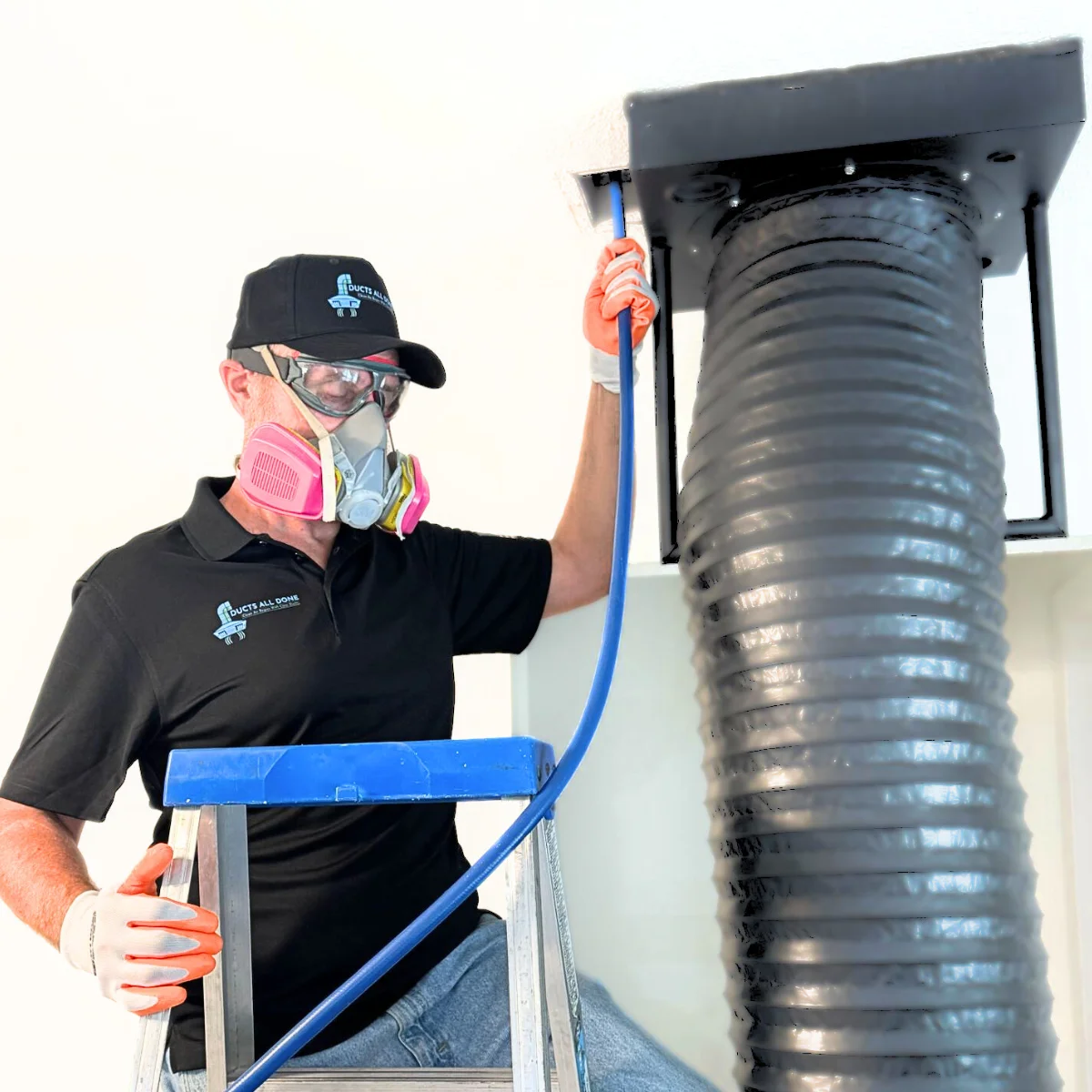
True restoration requires specialized commercial equipment and training. Professional technicians utilize heavy-duty, truck-mounted vacuum systems that establish a powerful negative pressure zone throughout the entire duct network. As specialized whips and brushes dislodge the stubborn buildup from the metallic walls, the debris is immediately drawn out of your home and into a containment unit, ensuring none of it escapes into your rooms.
When looking for an expert team to restore your indoor air environment, choosing a dedicated specialist ensures the job is executed safely and comprehensively. Utilizing a trusted resource like https://ductsalldone.com/ allows you to partner with professionals who understand the intricate mechanics of airflow, filtration, and system hygiene.
Sustaining a Clean Air Sanctuary
Once your ventilation system has been thoroughly restored, you can take several proactive steps to maintain that pristine environment for as long as possible. The most impactful habit you can adopt is replacing your HVAC air filters on a strict, regular schedule. High-quality pleated filters capture a massive percentage of airborne particles before they ever enter your ductwork.
Additionally, keeping up with routine vacuuming, grooming pets frequently, and maintaining your overall HVAC system will dramatically slow down the accumulation of future debris. By taking control of the invisible air quality within your walls, you protect your health, preserve your financial resources, and create a genuinely clean home from the inside out. To schedule your service and secure your home’s well-being, click here.


