
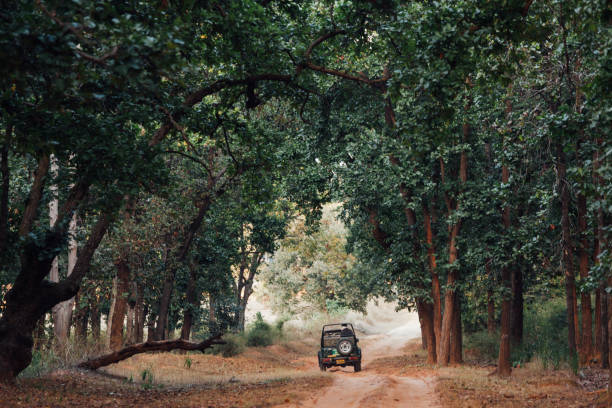
Tanzania is one of Africa’s most rewarding safari destinations, offering vast wilderness areas, abundant wildlife, dramatic landscapes, and rich cultural heritage. From the endless plains of the Serengeti to the dramatic Ngorongoro Crater and the remote beauty of Ruaha and Katavi, the country provides unforgettable opportunities for travelers seeking adventure and independence. In recent years, DIY safaris and self-drive adventures have become increasingly popular among travelers who want the freedom to explore Tanzania at their own pace.
A DIY safari offers flexibility, affordability, and a deeper sense of connection with nature. Travelers can design their own routes, choose where to stay, and spend more time in areas they love most. However, with this freedom comes responsibility. Tanzania’s ecosystems are delicate, wildlife is vulnerable, and local communities depend heavily on tourism being managed sustainably.
Responsible tourism during a DIY safari is about minimizing negative impacts while maximizing benefits for wildlife, conservation efforts, and local communities. It means traveling thoughtfully, respecting the environment, supporting local businesses, and ensuring that future generations can continue to enjoy Tanzania’s natural treasures.
This guide explores how travelers can practice responsible tourism during a self-drive safari in Tanzania while still enjoying an authentic and adventurous experience.
Understanding Responsible Tourism in Tanzania
Responsible tourism focuses on creating positive experiences for both visitors and host communities while protecting the environment and wildlife. In Tanzania, tourism is one of the country’s most important industries and contributes significantly to conservation funding, employment, and community development.
National parks, wildlife reserves, conservation areas, and marine parks rely heavily on tourism revenue for anti-poaching operations, infrastructure maintenance, wildlife monitoring, and community outreach programs. Every visitor who enters a park contributes directly to conservation through park fees and tourism spending.
However, irresponsible tourism can also create problems. Off-road driving damages vegetation and soil. Feeding wildlife alters animal behavior. Plastic waste pollutes ecosystems. Cultural disrespect can harm relationships between tourists and local communities.
Travelers on DIY safaris have the unique opportunity to travel more consciously because they control their itinerary and decisions directly. By making informed choices, visitors can reduce environmental damage and help preserve Tanzania’s remarkable natural heritage.
Choosing a Responsible Safari Vehicle
The vehicle you choose for your self-drive safari plays a major role in your environmental impact and overall safari experience.
In Tanzania, most travelers rent 4×4 vehicles such as the Toyota Land Cruiser, Toyota Hilux, or Land Rover Defender because of rough roads and remote conditions. When selecting a rental company, it is important to work with businesses that maintain their vehicles properly and prioritize responsible tourism practices.
A well-maintained vehicle produces fewer emissions, consumes fuel more efficiently, and reduces the risk of breakdowns that can disrupt wildlife habitats or require rescue operations in protected areas.
Before beginning your journey, ensure that the vehicle:
- Is regularly serviced
- Has proper waste disposal options
- Includes reusable camping equipment where possible
- Uses fuel-efficient systems
- Is equipped with recovery gear to avoid damaging landscapes during recovery operations
Travelers should also avoid unnecessary idling in parks. Keeping the engine running for long periods contributes to air pollution and disturbs wildlife. Turn off the engine during long wildlife sightings or picnic stops whenever possible.
Staying on Designated Roads and Tracks
One of the most important rules during a DIY safari in Tanzania is to stay on designated roads and tracks.
Off-road driving can cause serious environmental damage. Grasslands and fragile ecosystems take a long time to recover from tire marks, especially during the rainy season. Driving outside designated tracks also disturbs wildlife breeding areas and may destroy nests, burrows, or vegetation.
In famous parks such as the Serengeti National Park, Ngorongoro Conservation Area, Tarangire National Park, and Ruaha National Park, strict driving regulations exist to protect ecosystems. Rangers may fine travelers who ignore park rules.
During wildlife sightings, avoid the temptation to create your own route for a better photograph. Be patient and respectful. Wildlife experiences are more rewarding when animals are allowed to behave naturally without pressure from vehicles.
Responsible safari travelers also drive slowly within parks. Speeding increases the risk of hitting animals, especially smaller species such as tortoises, birds, jackals, and nocturnal wildlife.
Respecting Wildlife at All Times
Wildlife viewing is the highlight of any Tanzanian safari, but ethical wildlife behavior is essential.
Animals should never feel threatened, stressed, or trapped because of tourist activity. During a DIY safari, travelers are responsible for maintaining safe and respectful distances from wildlife.
When observing animals:
- Never feed wildlife
- Keep noise levels low
- Avoid sudden movements
- Do not block animal paths
- Maintain safe viewing distances
- Limit time spent crowding wildlife sightings
Feeding animals may seem harmless, but it changes natural behaviors and can make animals dependent on humans. It may also expose wildlife to diseases or dangerous encounters.
Photography should also be conducted responsibly. Avoid using flash photography at night or in close proximity to animals, especially nocturnal species.
Predators such as lions, leopards, and cheetahs are particularly sensitive to vehicle behavior. Crowding them with multiple vehicles may interrupt hunting, resting, or caring for cubs.
If you encounter elephants, buffalo, or hippos, remain cautious and give them enough space. These animals can become aggressive if they feel threatened.
Respecting wildlife ensures safer and more authentic safari experiences for everyone.
Supporting Conservation Through Park Fees
Some travelers view park fees as expensive, but these fees are essential for conservation in Tanzania.
National park entrance fees contribute directly to:
- Wildlife protection
- Anti-poaching patrols
- Park infrastructure
- Ranger salaries
- Habitat conservation
- Research programs
- Community projects
When planning a DIY safari, travelers should budget responsibly for conservation costs instead of seeking ways to avoid them.
Protected areas such as the Serengeti National Park, Ngorongoro Conservation Area, and Nyerere National Park require substantial resources to maintain. Tourism revenue helps ensure these areas remain protected from illegal hunting, deforestation, and human encroachment.
Travelers who support official conservation systems play an important role in preserving Tanzania’s biodiversity.
Reducing Plastic Waste During Your Safari
Plastic pollution is a growing challenge across many safari destinations worldwide. Tanzania has taken strong steps to reduce plastic waste, including restrictions on plastic bags.
DIY safari travelers can contribute significantly by minimizing single-use plastics during their trip.
Simple ways to reduce waste include:
- Carrying reusable water bottles
- Using refillable containers
- Avoiding disposable cutlery and plates
- Bringing reusable shopping bags
- Purchasing large water containers instead of multiple small bottles
- Packing reusable coffee cups and food containers
Many safari lodges and camps now offer water refill stations. Travelers can also use water purification systems during camping safaris.
Waste disposal is equally important. Never throw trash out of the vehicle, even biodegradable items such as fruit peels. Human food can alter animal behavior and introduce non-native substances into ecosystems.
Carry a trash bag in your vehicle and dispose of waste properly at designated facilities.
Eco-Friendly Camping Practices
Camping is one of the best ways to experience Tanzania during a DIY safari. Whether staying at public campsites in national parks or private camps outside conservation areas, responsible camping practices are essential.
Eco-friendly camping helps protect wildlife habitats and keeps campsites clean for future travelers.
Responsible campers should:
- Use established campsites
- Avoid damaging vegetation
- Keep fires controlled and permitted
- Conserve water
- Use biodegradable soaps
- Store food securely
- Respect quiet hours
Campfires should only be lit in approved areas and fully extinguished before leaving. During dry seasons, uncontrolled fires can spread quickly and damage large areas of habitat.
At unfenced campsites in Tanzania, wildlife often moves freely through the area at night. Never leave food outside tents or vehicles because it may attract hyenas, baboons, monkeys, or larger animals.
Responsible camping also includes respecting fellow travelers and local staff.
Conserving Water and Energy
Water and energy resources are limited in many safari regions of Tanzania, especially in remote areas.
Travelers should use water carefully during their journey. Long showers, unnecessary laundry requests, and excessive water use place strain on local resources.
Simple conservation habits include:
- Taking short showers
- Reusing towels
- Using refillable water containers
- Turning off taps completely
- Conserving electricity in camps and lodges
Many safari camps rely on solar power or generators. Reducing electricity usage helps minimize fuel consumption and environmental impact.
Travelers should also charge devices responsibly and switch off lights, fans, and chargers when not in use.
Supporting Local Communities
Responsible tourism is not only about wildlife and the environment. It is also about ensuring local communities benefit from tourism.
Many Tanzanians living near national parks rely on tourism for employment and income. DIY safari travelers can support communities by making conscious spending decisions.
Ways to support local communities include:
- Hiring local guides
- Buying locally made crafts
- Staying at locally owned accommodations
- Eating at local restaurants
- Purchasing supplies from local businesses
- Respecting local customs and traditions
Community tourism initiatives across Tanzania offer meaningful cultural experiences while directly supporting residents.
In areas around Lake Eyasi, Mto wa Mbu, Karatu, and Maasai communities near the Ngorongoro Conservation Area, travelers can participate in village visits, cultural tours, and traditional activities.
However, cultural tourism should always be approached respectfully. Avoid treating communities as tourist attractions. Ask permission before taking photographs and engage with people genuinely.
Ethical Cultural Interactions
Tanzania is home to more than 120 ethnic groups, each with unique traditions, languages, and lifestyles. Cultural respect is an important part of responsible travel.
When interacting with local communities:
- Dress modestly in villages and towns
- Learn a few Swahili greetings
- Ask before taking photographs
- Respect religious customs
- Avoid giving sweets or money directly to children
- Support schools or projects through proper channels instead
Simple Swahili greetings such as “Jambo,” “Habari,” and “Asante” help create positive interactions and show respect.
Travelers should also avoid bargaining aggressively when purchasing handmade crafts. Fair payment supports artisans and local economies.
Responsible cultural tourism creates mutual understanding and helps preserve traditional ways of life.
Choosing Responsible Accommodation
Even during a DIY safari, accommodation choices influence sustainability.
Many lodges and camps in Tanzania now implement eco-friendly practices such as:
- Solar energy systems
- Water recycling
- Community employment programs
- Plastic reduction initiatives
- Conservation partnerships
- Sustainable building materials
Travelers can support responsible tourism by choosing accommodations that demonstrate genuine environmental commitment.
Smaller locally owned lodges often provide more direct economic benefits to surrounding communities compared to large international chains.
When researching accommodation, look for properties that:
- Employ local staff
- Support conservation projects
- Minimize waste
- Use renewable energy
- Operate responsibly within protected areas
Choosing ethical accommodations helps strengthen sustainable tourism practices across Tanzania.
Responsible Wildlife Photography
Photography is a major part of the safari experience, but ethical photography practices are important.
Responsible wildlife photography prioritizes animal welfare over getting the perfect image.
Travelers should:
- Avoid disturbing animals for photos
- Never bait wildlife
- Keep a safe distance
- Avoid excessive noise
- Respect restricted areas
- Limit drone usage where prohibited
Drones are heavily restricted or banned in many Tanzanian parks because they disturb wildlife and invade visitor privacy.
Patience is one of the most valuable skills in wildlife photography. Natural behavior creates the most meaningful images.
Minimizing Noise Pollution
Silence is one of the greatest gifts during a safari. Excessive noise disturbs wildlife and reduces the quality of the experience for other travelers.
DIY safari travelers should keep music volumes low and avoid shouting or unnecessary engine revving inside parks.
Wildlife relies heavily on sound for communication, hunting, and detecting danger. Noise pollution can interrupt these natural behaviors.
Quiet observation often leads to more rewarding wildlife encounters because animals feel less threatened.
Traveling Slowly and Responsibly
One of the advantages of a DIY safari is flexibility. Instead of rushing through multiple parks in a short time, travelers can adopt a slower and more sustainable style of travel.
Slow travel reduces fuel consumption and allows deeper appreciation of landscapes, wildlife, and local culture.
Spending more time in fewer destinations:
- Lowers environmental impact
- Supports local economies longer
- Reduces travel stress
- Creates more meaningful experiences
- Encourages deeper cultural understanding
Rather than trying to see everything in one trip, responsible travelers focus on quality experiences.
Respecting Park Rules and Rangers
Park regulations exist to protect both wildlife and visitors.
DIY safari travelers should always follow official rules regarding:
- Speed limits
- Opening and closing times
- Camping regulations
- Wildlife viewing distances
- Restricted areas
- Waste disposal
Rangers and park staff play a critical role in conservation and safety. Treating them respectfully and cooperating with instructions contributes to smoother operations within protected areas.
Ignoring park regulations may result in fines, accidents, or environmental damage.
Avoiding Illegal Wildlife Products
Travelers should never purchase products made from endangered wildlife species.
Illegal wildlife products may include:
- Ivory carvings
- Animal skins
- Rhino horn products
- Coral products
- Shells from protected marine species
Buying such items contributes directly to poaching and illegal wildlife trade.
Instead, support local artisans producing sustainable handmade crafts, paintings, textiles, and beadwork.
Responsible Marine Tourism in Zanzibar and Coastal Tanzania
Many DIY safari travelers combine mainland safaris with beach holidays in Zanzibar, Mafia Island, or the Swahili Coast.
Responsible tourism principles also apply to marine environments.
Travelers should:
- Avoid touching coral reefs
- Use reef-safe sunscreen
- Avoid littering beaches
- Respect marine life
- Choose ethical snorkeling and diving operators
- Avoid dolphin tours that chase animals aggressively
Marine ecosystems are extremely fragile and vulnerable to pollution and over-tourism.
Supporting ethical marine tourism helps protect Tanzania’s coastal biodiversity.
Traveling During the Green Season Responsibly
The green season in Tanzania offers excellent opportunities for responsible travel.
Traveling during lower tourism seasons helps distribute economic benefits more evenly throughout the year and reduces pressure on parks during peak months.
The green season also provides:
- Beautiful landscapes
- Fewer crowds
- Lower accommodation rates
- Excellent birdwatching
- Unique photography conditions
However, travelers should drive carefully during wet conditions to avoid damaging roads and landscapes.
If roads become impassable, avoid creating alternative tracks that harm vegetation.
The Role of Self-Drive Travelers in Conservation
Self-drive tourists are increasingly important within Tanzania’s tourism industry.
Responsible self-drive travelers can help promote conservation by:
- Sharing ethical travel experiences
- Supporting conservation organizations
- Educating others about responsible tourism
- Reporting illegal activities if encountered
- Choosing sustainable businesses
Tourism has the power to protect wildlife when managed responsibly. Every decision made during a safari influences the future of Tanzania’s ecosystems.
Creating Meaningful Safari Experiences
Responsible tourism does not reduce adventure or enjoyment. In fact, it often creates deeper and more meaningful travel experiences.
Travelers who engage respectfully with wildlife, communities, and nature often leave Tanzania with stronger memories and greater appreciation for conservation.
A responsible DIY safari allows visitors to:
- Experience authentic wilderness
- Connect with local cultures
- Contribute positively to conservation
- Travel more sustainably
- Enjoy nature without causing harm
These experiences often become more rewarding than simply checking animals off a list.
Final Thoughts
A DIY safari in Tanzania is one of Africa’s greatest travel adventures. The freedom to explore remote landscapes, encounter wildlife in natural habitats, and connect with local cultures makes self-drive travel incredibly rewarding.
However, Tanzania’s wilderness areas are fragile and require careful stewardship. Responsible tourism ensures that national parks, wildlife populations, and local communities continue to benefit from tourism for generations to come.
By respecting wildlife, reducing waste, supporting local communities, conserving resources, and following park regulations, travelers can make a positive impact while enjoying unforgettable safari experiences.
Every responsible decision matters, from staying on designated roads to choosing eco-friendly accommodations and supporting conservation efforts.
The beauty of Tanzania lies not only in its landscapes and wildlife but also in the opportunity it offers travelers to become part of protecting one of the world’s most extraordinary natural environments.
A responsible DIY safari is more than a journey through Tanzania. It is a commitment to preserving the country’s wilderness, culture, and wildlife for the future.

