
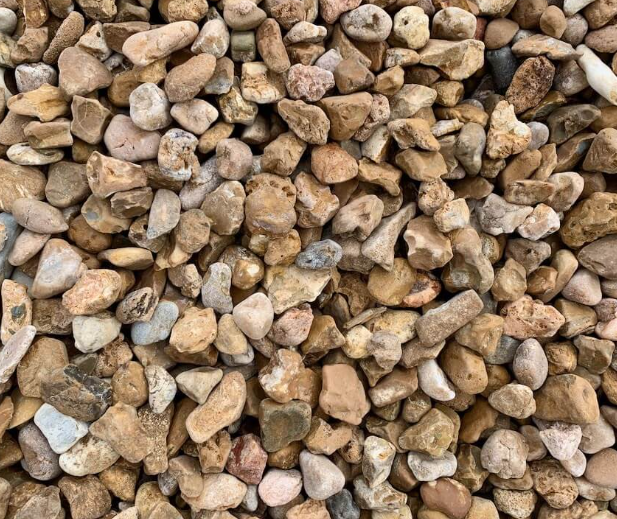
Successful gravel projects begin with accurate planning instead of guesswork. Whether the goal is building a driveway, refreshing a walking path, or preparing a construction site, estimating coverage correctly helps avoid wasted material, unexpected delivery costs, and unfinished areas. Reliable gravel suppliers use measurements, material type, and project conditions to provide estimates that match real-world installation needs.
Gravel Depth Changes How Much Ground One Load Will Cover
Coverage depends heavily on the thickness of the finished gravel layer. A load spread over two inches covers far more area than the same amount placed at four or five inches. Decorative landscape beds usually require less depth than driveways because they experience lighter traffic and place less stress on the stone. Purpose should always determine thickness rather than appearance alone. Vehicle traffic, drainage, and soil stability all influence how much gravel is actually needed. Customers searching for gravel delivery near me often discover that estimating square footage without considering depth leads to significant material shortages or unnecessary overordering.
Sloped Ground Often Requires More Gravel Than Flat Areas
Sloping terrain changes how gravel behaves after installation. Gravity gradually encourages loose stone to shift downhill, creating thinner coverage near higher elevations while building up material lower on the slope. Steeper grades often require additional gravel to maintain a consistent finished depth across the entire project. Drainage patterns also influence material requirements. Rainwater flowing across slopes can slowly move smaller aggregate over time if proper stabilization methods are not included. Professional planning takes elevation changes into account before determining how much gravel for sale should be delivered to the site.
Compaction Reduces Final Coverage After Gravel Is Spread
Freshly placed gravel contains open spaces between individual stones. Once traffic, weather, or mechanical compaction settles the material, those spaces decrease and the finished layer becomes slightly thinner than it appeared immediately after installation. That natural settling affects final coverage calculations.
Experienced suppliers allow for this expected reduction during estimating. Ignoring compaction may leave driveways or pathways below the intended finished height after the gravel settles into place. Careful planning helps achieve the desired thickness without requiring additional deliveries later.
Base Preparation Affects How Far Each Ton Will Go
The condition of the existing surface has a major influence on gravel coverage. Soft soil, deep ruts, or uneven ground allow stone to sink into the base before forming a usable surface. Well-prepared foundations keep more material near the top where it contributes to finished coverage rather than disappearing below ground.
Proper grading also improves efficiency. Removing vegetation, leveling low areas, and compacting unstable soil help every ton of gravel perform as intended. Customers requesting gravel delivery in Huntsville AL often receive more accurate estimates after the supplier understands the condition of the project site.
Larger Stone Sizes Cover Ground Differently Than Fine Aggregate
Stone size changes both appearance and coverage characteristics. Larger aggregate contains more air space between rocks, while finer materials settle into tighter, denser layers. Although both may weigh the same, they distribute differently across the ground depending on particle size and intended application.
Project goals determine which material performs best. Decorative landscaping, drainage systems, parking areas, and residential driveways all benefit from different aggregate sizes. Selecting the proper stone improves both coverage accuracy and long-term performance after installation.
Border Edging Helps Keep Gravel Within the Planned Area
Loose gravel naturally spreads outward as vehicles, foot traffic, and weather move individual stones beyond the intended surface. Installing edging along driveways, garden paths, and landscape beds keeps gravel contained while preserving the original design dimensions over time.
Defined borders also simplify future maintenance. Less gravel escapes into nearby lawns or planting beds, reducing the amount of replacement material needed each season. Strong edging allows original coverage estimates to remain much closer to actual long-term performance.
Driveways and Walkways Often Need Different Gravel Thicknesses
Not every outdoor surface requires the same amount of gravel. Residential walkways generally support foot traffic, allowing thinner layers to perform well without sacrificing stability. Driveways carry much heavier vehicle loads, making additional depth necessary for strength, durability, and resistance to rutting.
Layering techniques also vary between applications. Driveways frequently include a compacted base layer beneath decorative surface gravel, while simple garden paths may require only a single layer. Understanding these differences helps suppliers estimate coverage more accurately for each specific project.
Accurate Site Measurements Help Prevent Costly Material Shortages
Reliable estimates always begin with accurate measurements rather than rough visual guesses. Length, width, elevation changes, intended depth, and existing site conditions all contribute to determining how much gravel should be delivered. Small measurement errors can quickly become expensive once installation begins.
Experienced suppliers combine site information with knowledge of aggregate characteristics to recommend appropriate quantities before delivery. Property owners looking for gravel delivery near me or dependable gravel delivery in Huntsville AL can benefit from working with North Alabama Rock & Dirt, whose experience estimating coverage, supplying quality gravel for sale, and matching material quantities to individual project conditions helps reduce waste while keeping construction, landscaping, and driveway improvements moving efficiently


