A Home Means Different Things at Different Stages of Life
A person buying their first home in their twenties often looks at property very differently from someone purchasing a home for a growing family.
When children become part of the picture, priorities tend to shift. Suddenly, the discussion is not only about square footage or commute times. Parents start paying attention to things they may not have considered earlier—open areas, safety, everyday convenience, and whether the surroundings feel comfortable enough for long-term living.
This change in mindset is influencing how residential projects are being evaluated today.
Not Every Property Search Starts With Investment Goals
A lot of real estate discussions focus on appreciation, future value, and market growth. Families certainly care about those things, but they are rarely the only factors driving a purchase decision.
Someone buying a home for their family often imagines daily life there long before thinking about resale value. They picture school mornings, evening walks, weekend routines, visiting relatives, or simply whether the environment feels comfortable after a busy day.
That kind of thinking naturally leads people to evaluate projects differently.
A family may reject a project for reasons that never appear in a brochure. Sometimes it comes down to how the surroundings feel rather than what is written on paper.
Buyers Tend to Look at the Bigger Picture Now
It is interesting how site visits have changed over the years.
People still check floor plans and apartment sizes, but many buyers also spend time looking at things that are harder to measure. They walk around the project, observe common spaces, check the surroundings, and try to understand what everyday life might look like after moving in.
Those observations often end up carrying more weight than expected.
A residential project may offer a good apartment, but families usually want to know whether the larger environment supports comfortable living over time.
Pune’s Residential Market Reflects This Shift
You can notice this change in many parts of Pune.
Homebuyers are increasingly comparing communities instead of only comparing homes. The conversation has gradually moved from “How big is the apartment?” to “How practical will life be here five years from now?”
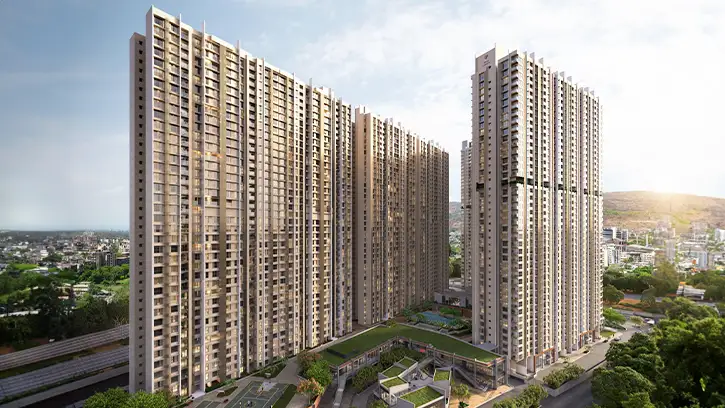
That is one reason projects such as Birla Evam Manjari attract attention from families exploring long-term residential options. Buyers are often evaluating the overall community experience rather than focusing solely on apartment specifications.
In many ways, the project reflects a broader change happening across residential markets where planning, open spaces, and everyday usability are becoming more important in the decision-making process.
Trust Still Plays a Role
Families usually take longer to make property decisions than many people expect.
Part of that process involves understanding who is developing the project. Buyers often feel more comfortable when the developer has an established presence because they associate that with stronger planning and execution standards.
That is one reason Birla Estate scontinues to be part of many homebuying conversations across different cities. People are not only purchasing a home; they are also placing trust in the vision behind the project.
Final Thoughts
The growing importance of family-oriented planning reflects a simple reality: people are thinking more carefully about how they want to live.
A home is not only a purchase. For many families, it becomes the setting for everyday life over several years. Naturally, the environment around that home has started receiving just as much attention as the home itself.