
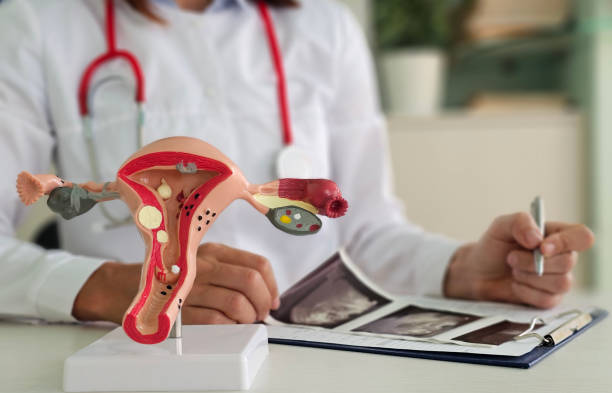
Gynecology is a specialized branch of medicine dedicated to the health and well-being of the female reproductive system. From adolescence through menopause and beyond, gynecologists play an essential role in preventing, diagnosing, and treating a wide range of conditions that affect women’s reproductive health. Regular gynecological care not only helps detect health issues early but also supports overall wellness throughout every stage of life.
At Liv Hospital, women receive comprehensive gynecological care from experienced specialists who utilize advanced diagnostic tools and personalized treatment approaches to address a variety of reproductive health concerns.
What Is Gynecology?
GYNECOLOGY Overview and Definition refers to the medical specialty focused on the diagnosis, treatment, and prevention of conditions affecting the female reproductive organs. These include the uterus, ovaries, fallopian tubes, cervix, vagina, and vulva. Gynecologists also provide preventive care, reproductive health counseling, family planning services, and support for hormonal changes throughout a woman’s life.
Many gynecologists are also trained in obstetrics, allowing them to provide care during pregnancy and childbirth. Together, these specialties are commonly known as obstetrics and gynecology (OB-GYN).
What Does a Gynecologist Do?
A gynecologist is responsible for evaluating and managing a broad range of women’s health issues. Their role includes:
- Performing routine pelvic examinations
- Conducting cervical cancer screening (Pap tests)
- Diagnosing menstrual disorders
- Treating infections of the reproductive system
- Managing conditions such as uterine fibroids, ovarian cysts, and endometriosis
- Providing contraception and family planning advice
- Supporting fertility evaluations
- Managing menopause-related symptoms
- Offering preventive health education
Regular visits to a gynecologist can help identify potential health concerns before they become more serious.
Common Gynecological Conditions
Gynecologists diagnose and treat numerous conditions affecting the female reproductive system, including:
Uterine Fibroids
Fibroids are noncancerous growths that develop in or around the uterus. They may cause heavy menstrual bleeding, pelvic pain, frequent urination, or fertility challenges, although some women experience no symptoms.
Ovarian Cysts
Fluid-filled sacs can develop on the ovaries during the menstrual cycle. While many ovarian cysts resolve without treatment, larger or persistent cysts may require medical evaluation.
Endometriosis
Endometriosis occurs when tissue similar to the uterine lining grows outside the uterus, potentially causing chronic pelvic pain, painful periods, and infertility.
Polycystic Ovary Syndrome (PCOS)
PCOS is a hormonal disorder that can affect ovulation, menstrual cycles, fertility, metabolism, and hormone levels.
Menstrual Disorders
Irregular, painful, prolonged, or heavy menstrual bleeding may indicate an underlying gynecological condition that requires evaluation.
Gynecological Infections
Bacterial, fungal, viral, or sexually transmitted infections may affect reproductive health and should be diagnosed and treated promptly.
When Should You Visit a Gynecologist?
Women should consider scheduling a gynecological appointment if they experience:
- Irregular or absent menstrual periods
- Heavy menstrual bleeding
- Severe menstrual pain
- Pelvic or lower abdominal pain
- Abnormal vaginal discharge
- Bleeding between periods
- Pain during sexual intercourse
- Menopause-related symptoms
- Difficulty becoming pregnant
Even in the absence of symptoms, routine gynecological checkups are recommended to support preventive healthcare and early detection of potential conditions.
Diagnostic Procedures in Gynecology
To evaluate reproductive health, gynecologists may recommend one or more diagnostic tests, including:
- Pelvic examination
- Pap smear
- HPV testing
- Pelvic ultrasound
- Blood tests for hormone evaluation
- Colposcopy
- Endometrial biopsy
- Hysteroscopy
- Laparoscopy for selected conditions
The choice of diagnostic procedure depends on the patient’s symptoms, age, and medical history.
Treatment Options
Treatment varies depending on the diagnosis and the individual’s health needs. Common approaches include:
- Lifestyle modifications
- Medications
- Hormonal therapy
- Minimally invasive procedures
- Laparoscopic surgery
- Hysteroscopic surgery
- Robotic-assisted surgery for selected cases
- Fertility treatments when appropriate
A personalized treatment plan is developed to achieve the best possible outcome while preserving reproductive health whenever feasible.
Importance of Preventive Gynecological Care
Preventive care plays a crucial role in maintaining women’s health. Regular gynecological examinations can help detect abnormalities before symptoms develop, allowing for earlier intervention and improved treatment outcomes.
Preventive care may include:
- Cervical cancer screening
- HPV vaccination
- Breast health evaluations
- Contraceptive counseling
- Menopause management
- Reproductive health education
- Screening for sexually transmitted infections when indicated
Maintaining regular appointments supports long-term reproductive and overall health.
Supporting Women’s Health Throughout Every Stage of Life
Gynecological care evolves alongside a woman’s changing health needs. From adolescence and reproductive years to pregnancy, menopause, and healthy aging, specialized care helps address both routine and complex health concerns.
Open communication with a gynecologist enables patients to receive timely guidance, appropriate screenings, and individualized treatment based on their unique circumstances.
Conclusion
Gynecology is an essential medical specialty dedicated to protecting and improving women’s reproductive health throughout every stage of life. Routine checkups, early diagnosis, and personalized treatment can help manage a wide variety of gynecological conditions while promoting overall well-being.
At Liv Hospital, experienced gynecology specialists provide comprehensive, patient-centered care using advanced diagnostic techniques and modern treatment options to support women’s health with compassion and expertise.


