
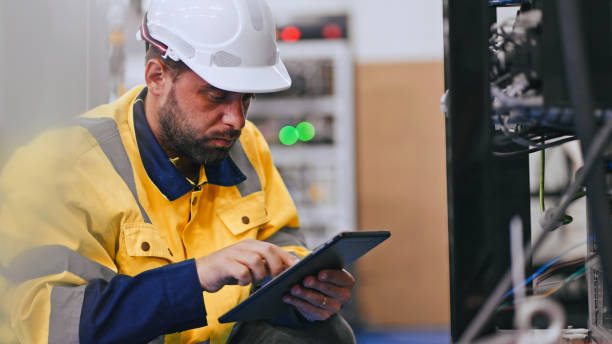
Getting new equipment up and running correctly is often the difference between a smooth production ramp-up and months of nagging issues that never quite go away. Installation is not just about bolting a machine to the floor and connecting power; it involves precise leveling, calibration, and integration with the systems already running in a facility. Manufacturers looking for machinery installation Utah facilities tend to prioritize a crew with deep experience over the lowest bid, since a rushed installation almost always costs more to fix later than it would have cost to do right the first time. Paying a bit more upfront for a crew that gets the details right tends to pay for itself many times over across the life of the equipment.
Every machine has its own set of manufacturer specifications for leveling, torque, and clearance, and skipping these details rarely ends well. Small deviations that seem harmless during setup can turn into vibration, premature wear, or inconsistent product quality once the machine is running under a full production load day after day. What looks like a minor shortcut during setup can quietly compound into a much larger problem after a few thousand hours of operation.
Integration with existing systems is often the trickiest part of any installation project. New equipment rarely operates in isolation, and getting it to communicate properly with conveyors, control systems, and safety interlocks already in place takes real planning rather than a plug-and-play approach. A crew that understands both the new machine and the systems already in place is far better positioned to catch conflicts before they cause a shutdown.
Smaller manufacturers taking on a major installation project can benefit from support that is not always obvious at first glance. Looking into manufacturing extension partnership support resources can connect a facility with technical assistance and guidance that make a big equipment upgrade feel far more manageable than tackling it alone. Many manufacturers do not realize this kind of guidance exists until they start asking around, so it is worth a quick look before assuming a project has to be handled entirely in house.
Training the people who will actually run the equipment is just as important as the mechanical installation itself. A crew can install a machine perfectly and still set a facility up for problems if operators are not properly trained on startup procedures, routine adjustments, and what to watch for as signs of trouble. Investing a bit more time in training upfront tends to pay off quickly through fewer callbacks and less unplanned downtime later on.
Documentation gets overlooked more often than it should, but it matters enormously once a machine has been running for a year or two. Keeping installation records, calibration settings, and maintenance schedules organized from day one saves enormous time when something eventually needs troubleshooting or a part needs replacing. A well-organized file also makes it much easier to bring in a different crew down the road if the original installer is not available.
Safety compliance should be verified as part of the installation itself, not treated as an afterthought once the equipment is already running. Reviewing this machinery safety standards reference guide during the final walkthrough helps confirm that guarding, interlocks, and emergency stops meet the requirements they are supposed to before the machine is handed over for daily production use.


