
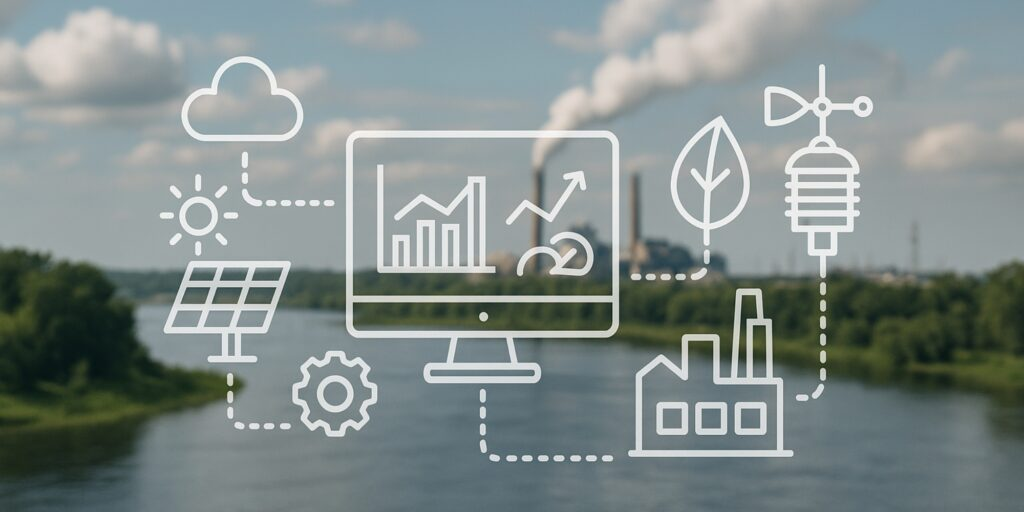
In today’s world, environmental challenges are increasing rapidly due to industrial growth, urbanization, and climate change. Pollution, deforestation, water scarcity, and loss of biodiversity are major threats that affect human health, ecosystems, and the overall balance of the planet. To address these challenges, environmental monitoring has become an essential tool for governments, organizations, and communities. By tracking and assessing environmental conditions, we can make informed decisions that help protect natural resources and ensure a sustainable future for generations to come.
Understanding Environmental Monitoring
Environmental monitoring is the systematic process of collecting data about the environment to observe changes and detect potential hazards. This can include monitoring air and water quality, soil conditions, noise levels, and the health of wildlife populations. Through environmental monitoring, scientists and policymakers can identify patterns, track pollution sources, and measure the effectiveness of conservation efforts. It provides critical insights into how human activities impact the environment and helps in planning strategies to reduce negative effects.
The Role of Environmental Monitoring in Protecting Natural Resources
Natural resources such as water, forests, and minerals are essential for life and economic development. Environmental monitoring plays a crucial role in protecting these resources by detecting pollution and overuse. For example, monitoring water quality in rivers and lakes ensures that communities have access to safe drinking water. Similarly, tracking forest health and soil quality helps in managing agricultural lands sustainably. Without environmental monitoring, overexploitation and degradation of natural resources would go unnoticed, leading to long-term environmental damage.
Supporting Public Health and Safety
Environmental monitoring is not just about nature; it directly affects human health and safety. Air pollution, contaminated water, and hazardous waste can cause serious illnesses if left unchecked. By monitoring these environmental factors, authorities can issue warnings, take corrective measures, and develop policies to reduce risks. For instance, tracking air quality in urban areas helps in controlling emissions and preventing respiratory problems among residents. Effective environmental monitoring ensures a safer and healthier living environment for everyone.
Guiding Sustainable Development
Sustainable development aims to balance economic growth with environmental protection. Environmental monitoring provides the data needed to achieve this balance. Governments and businesses use monitoring information to plan infrastructure projects, industrial operations, and urban development in ways that minimize ecological impact. By understanding environmental trends and potential risks, decision-makers can implement sustainable practices that support long-term growth while preserving the planet’s natural resources.
Promoting Awareness and Community Involvement
Environmental monitoring also plays a key role in raising awareness among communities. By sharing monitoring results, people can understand the environmental challenges in their local areas and take part in conservation efforts. Public participation in environmental initiatives, such as tree planting, waste reduction, and water conservation, becomes more effective when people are informed about the current environmental conditions. In this way, environmental monitoring fosters a sense of responsibility and encourages collective action for a sustainable future.
Advancing Research and Innovation
The data collected through environmental monitoring is valuable for scientific research and technological innovation. Researchers can study trends in climate change, biodiversity loss, and pollution, leading to the development of new solutions and technologies for environmental protection. Innovations such as renewable energy systems, eco-friendly materials, and pollution control technologies often rely on accurate monitoring data to guide their design and implementation. Therefore, environmental monitoring not only helps manage current issues but also supports the creation of a greener, more sustainable future.
Conclusion
Environmental monitoring is a critical tool for building a sustainable future. By tracking changes in air, water, soil, and ecosystems, it helps protect natural resources, safeguard public health, guide sustainable development, and promote community awareness. Furthermore, it provides essential data for research and innovation, enabling society to find better solutions for environmental challenges. In a world facing increasing ecological pressures, investing in environmental monitoring is not just necessary—it is a responsibility. By understanding and acting on environmental data, we can ensure a healthier planet for ourselves and for generations to come.


