
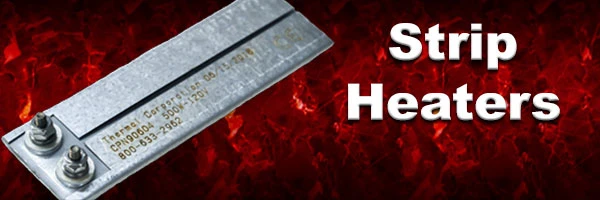
Correct installation practices often determine how effectively a heating system performs over time. Mechanical contact between heating equipment and the metal surface receiving the heat influences temperature stability and energy efficiency. Proper mounting pressure allows strip heaters to transfer thermal energy smoothly into the material they are designed to warm.
Firm Contact Helps Heat Move Evenly into the Metal Surface
Solid physical contact between the heater and the mounting surface allows thermal energy to move directly into the metal. A strip heater transfers warmth through conduction, meaning the heater must sit firmly against the surface it serves. Tight contact helps prevent uneven heating zones that may occur when contact areas vary across the length of the heater. Consistent pressure also helps maintain stable temperatures across equipment surfaces such as dies, molds, or machine housings. Engineers who design systems using heater elements often emphasize mounting hardware that distributes pressure evenly along the heater body. Stable installation ensures the industrial heater performs as intended.
Loose Mounting Leaves Air Gaps That Block Heat Transfer
Air naturally resists the movement of heat compared to solid metal. Even small air pockets between strip heaters and the mounting surface can interrupt heat flow. These gaps form when mounting pressure is uneven or insufficient during installation. Trapped air behaves like insulation, preventing heater elements from transferring energy efficiently into the equipment. As a result, the heater may run hotter internally while the target surface warms slowly. Technicians installing industrial heater systems typically tighten mounting hardware carefully to eliminate these hidden spaces.
Proper Pressure Keeps the Heater from Overheating in Spots
Uneven contact often forces certain sections of a heater to work harder than others. Areas with limited contact must generate more internal temperature to compensate for reduced heat transfer. Localized overheating may occur along the heater body when this imbalance continues.
Steady clamping pressure allows heat to move away from the heater evenly. Uniform conduction prevents small hot zones that could damage heater elements over time. Equipment designers frequently recommend proper mounting torque to protect strip heaters from unnecessary thermal stress.
Tight Contact Helps the Heater Reach Working Temperature Faster
Direct metal contact allows heat to move efficiently into the surrounding surface. Without gaps or loose areas, thermal energy transfers almost immediately once electrical power reaches the heater elements. Faster conduction means the heated equipment reaches operating temperature more quickly. Efficient startup often improves production consistency in industrial heater applications. Systems using properly mounted strip heaters typically require less time to warm molds, plates, or forming tools. Shorter heating cycles also help reduce energy consumption during repeated startup periods.
Even Pressure Spreads Heat Across the Entire Heated Surface
Uniform clamping pressure keeps the heater body flush against the mounting surface from end to end. Consistent contact prevents temperature differences that may appear when certain sections touch the metal more firmly than others. Balanced pressure encourages the heater to distribute warmth across the entire contact area.
Engineers working with strip heaters often design mounting plates or clamps that apply steady force along the heater length. Proper mechanical support prevents bending or distortion that could disrupt heat transfer. Consistent installation helps the industrial heater maintain steady operating temperatures.
Good Clamping Helps the Heater Last Longer in Daily Use
Mechanical stability supports long service life for heating equipment. Strip heaters installed with secure pressure experience less movement during heating cycles. Reduced movement helps protect heater elements from fatigue caused by vibration or shifting components.
Durability also improves when the heater remains tightly seated against the mounting surface. Stable contact prevents excessive internal temperature buildup that could damage insulation materials. Equipment using properly clamped industrial heater assemblies often experiences fewer replacement intervals.
Weak Mounting Can Cause Uneven Heat and Early Failure
Loose installation hardware sometimes allows heaters to shift slightly during operation. Minor movement can reduce contact in certain areas while increasing pressure in others. Uneven contact often produces irregular temperature patterns along the heated surface.
Irregular heating forces certain sections of heater elements to operate beyond their intended limits. Continuous imbalance may shorten the lifespan of strip heaters and create inconsistent production temperatures. Maintenance teams typically inspect mounting pressure during installation to avoid these issues.
Correct Pressure Keeps the Heater Stable During Expansion
Metal components naturally expand when exposed to rising temperatures. Proper mounting pressure allows strip heaters to remain stable even as surrounding equipment expands during operation. Secure clamps hold the heater in place without restricting natural movement.
Balanced mounting hardware helps accommodate thermal expansion across both the heater body and the equipment surface. Stable positioning ensures heater elements continue transferring energy efficiently as temperatures fluctuate. Careful installation helps maintain performance across long industrial heater cycles.
Secure Contact Improves Energy Use During Heating Cycles
Efficient energy use often depends on how quickly heat reaches the target material. Strip heaters that maintain firm surface contact transfer energy with minimal resistance. Reduced resistance means less electrical power is required to reach the desired temperature.
Energy efficiency improves when heater elements operate within their designed temperature range. Proper clamping pressure prevents wasted energy caused by poor heat transfer. Systems that maintain secure contact often achieve more consistent heating results during repeated production cycles.
Specialized engineering knowledge often helps ensure heating equipment performs reliably across demanding applications. Thermal Corporation designs and manufactures strip heaters and related industrial heater components used in manufacturing systems that require steady temperature control. Their team provides guidance on installation practices, heater elements, and mounting methods that support efficient heat transfer. Organizations seeking dependable heating solutions often rely on experienced manufacturers such as Thermal Corporation to supply equipment designed for long service life and consistent performance.


