
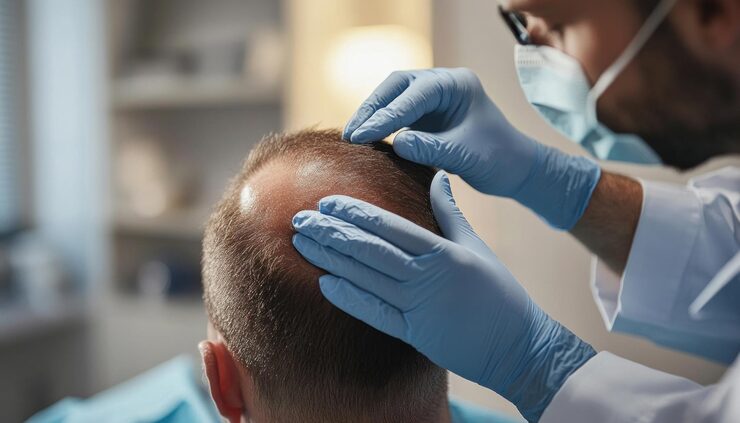
Walk through the arrivals hall of Istanbul Airport, and you are likely to notice a distinct demographic among the tourists: men of all ages wearing black headbands and bandages on the back of their heads. In the last decade, this sight has become as synonymous with Istanbul as the Hagia Sophia or the Bosphorus Bridge. Turkey has firmly established itself as the global capital of hair restoration, attracting hundreds of thousands of medical tourists annually from Europe, the Middle East, and the Americas.
But how did a country known for its rich history and cuisine become the world leader in a specific cosmetic surgery? The rise of Turkey in this sector is not accidental; it is the result of a convergence of economic factors, government support, and medical expertise that has created a perfect storm for the industry.
The Economics of Excellence
The primary driver for most patients is undoubtedly cost. A hair transplant in the United States, the UK, or Western Europe can cost anywhere from €10,000 to €25,000, depending on the number of grafts. In Turkey, the same procedure—often performed with more advanced technology—can cost between €2,000 and €4,000.
Crucially, this price difference is not a reflection of lower quality. Instead, it is a reflection of the lower cost of living and lower labor costs in Turkey compared to Western nations. The currency exchange rate favors foreign patients, allowing them to access premium medical care at a fraction of the price back home. Because the overheads for renting clinic space and paying staff are lower, Turkish clinics can afford to offer competitive pricing without cutting corners on hygiene or equipment.
The “10,000-Hour” Rule
While cost gets patients in the door, it is the results that keep them coming. Turkish surgeons are among the most experienced in the world simply due to the volume of cases they handle. In a typical Western clinic, a surgeon might perform one or two transplants a day. In major Turkish medical hubs, teams are performing dozens daily.
This high volume accelerates the learning curve. A surgeon who has performed 5,000 FUE procedures has encountered every possible hair type, skin texture, and complication. This depth of experience translates into better graft survival rates and more natural hairline designs. Leading facilities likeGold City leverage this vast experience to handle complex cases, such as Afro-textured hair or repair surgeries, that other clinics might turn away.
Technological Innovation
Far from being a budget alternative using outdated tools, Turkey is often ahead of the curve in adopting new technologies. The fierce competition between hundreds of clinics in Istanbul drives innovation. Turkish clinics were among the first to widely adopt Sapphire FUE (using gemstone blades for cleaner incisions) and the DHI (Direct Hair Implantation) pen method.
The sheer volume ofhair transplantation procedures performed in the country means that medical device manufacturers often prioritize the Turkish market for their latest releases. Patients traveling to Turkey are not stepping back in time; they are often accessing state-of-the-art equipment that is still considered “niche” or “premium” in their home countries.
The All-Inclusive Experience
One of the genius moves of the Turkish medical tourism industry was the invention of the “all-inclusive” medical package. Recognizing that traveling abroad for surgery can be stressful, clinics effectively act as travel agencies. A standard package includes not just the surgery and medication, but also VIP transfers from the airport, accommodation in 4 or 5-star hotels, and a personal translator who accompanies the patient throughout the process.
This concierge approach removes the logistical burden from the patient. You simply book your flight, and the clinic handles the rest. This seamless integration of hospitality and medicine turns a daunting medical trip into a manageable, even enjoyable, experience.
Regulation and Safety
With such rapid growth, the question of safety is paramount. The Turkish Ministry of Health enforces strict regulations on medical tourism. Clinics must be licensed and are subject to regular inspections. Many of the top hospitals in Turkey are accredited by the JCI (Joint Commission International), the gold standard in global healthcare.
However, the market is crowded, and “pirate” clinics do exist. These are unlicensed operations that cut costs by using unqualified technicians. This makes research essential. When considering Hair transplantation, prospective patients must look for clinics that are transparent about their medical team, operate within licensed hospitals rather than apartments, and have verified reviews.
Beyond the Surgery
Finally, the appeal of Turkey lies in the destination itself. Istanbul is a world-class city bridging Europe and Asia. While patients cannot engage in strenuous sightseeing after the surgery, many choose to arrive a few days early to enjoy the Grand Bazaar, the Blue Mosque, and the incredible food scene. The recovery period, often spent in a luxury hotel with room service, feels less like a convalescence and more like a vacation.
A Global Standard
Turkey’s dominance in the hair transplant market is a testament to its ability to offer high value without compromising on standards. By combining affordability with elite medical expertise and luxury hospitality, it has democratized hair restoration. For the millions of men and women suffering from hair loss, Istanbul offers not just a procedure, but a proven path to restoring their confidence, wrapped in the warmth of Turkish hospitality.


