
Key Takeaways
Atlanta businesses can improve warehouse efficiency by choosing the right industrial storage solutions, especially systems designed to maximize limited floor space and streamline operations.
Vertical racking makes better use of overhead space and can significantly increase storage capacity while keeping inventory organized and accessible.
Smart shelving systems support more efficient inventory management through tracking capabilities, helping businesses reduce overstocking and stockouts.
Heavy-duty pallet racks provide reliable support for large and heavy loads, making them suitable for demanding industrial environments.
Weather-resistant storage systems help protect inventory and equipment from Atlanta’s heat, humidity, and changing weather conditions.
Safety features such as load-capacity labels, fall protection, and accessible emergency routes are essential components of an effective warehouse storage strategy.
Investing in durable, scalable storage infrastructure can reduce long-term costs while allowing Atlanta businesses to adapt to changing operational needs.
Maximizing Space: Innovative Industrial Storage Options for Atlanta Warehouses
Space is a valuable resource for Atlanta businesses, particularly warehouses operating in busy urban and industrial areas. The right industrial storage solutions Atlanta companies choose can transform crowded facilities into organized, productive workspaces.
Rather than simply adding more shelves or racks, businesses should consider how storage systems affect inventory access, employee movement, safety, and overall workflow. A well-designed storage strategy can increase usable capacity while reducing unnecessary congestion.
Utilizing Vertical Racking to Optimize Storage
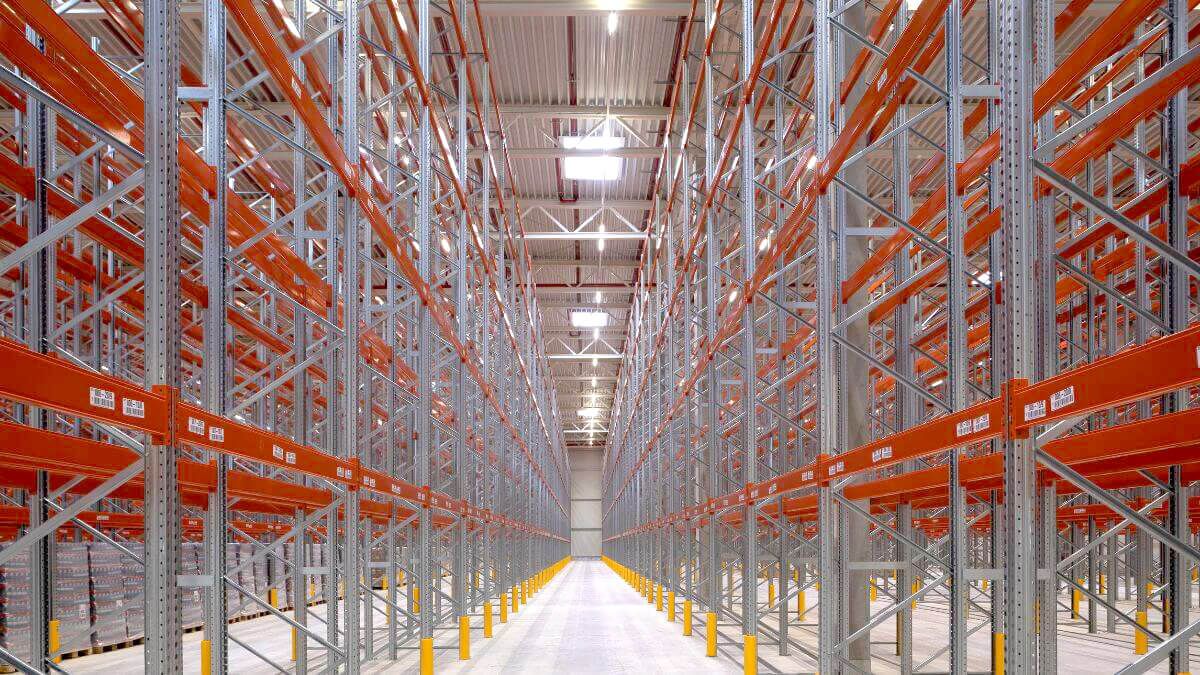
Vertical racking is an effective option for Atlanta businesses looking to maximize available warehouse space. Instead of expanding storage across the floor, these systems take advantage of unused vertical space.
With an appropriate layout, vertical storage can increase capacity while keeping products organized and easier to locate. It can be particularly useful for warehouses with high ceilings and limited floor space.
Key advantages include:
- Space Efficiency: Makes use of overhead space without requiring additional floor area.
- Improved Organization: Creates designated locations for different products and inventory categories.
- Better Accessibility: Properly arranged racks can make inventory retrieval more efficient.
- Enhanced Safety: Professionally designed systems can incorporate appropriate safety features for elevated storage.
However, installation alone isn’t enough. Employees should receive proper training on loading, unloading, weight limits, and safe equipment use.
Smart Shelving Systems: Improving Inventory Management
Smart shelving systems combine traditional storage with technology to help businesses monitor inventory more effectively. For Atlanta warehouses handling large or frequently changing inventories, this approach can make stock management more precise.
Real-time inventory information can help managers identify products that need replenishment while preventing unnecessary overstocking.
Benefits can include:
- Data-Driven Decisions: Accurate inventory information supports better purchasing decisions.
- Scalability: Systems can be adjusted as inventory requirements change.
- Workflow Optimization: Automated alerts can reduce the time employees spend manually checking stock.
- Improved Accuracy: Better tracking can reduce inventory discrepancies.
For businesses managing high-volume inventory, integrating technology into storage design can contribute to a more responsive and efficient warehouse.
Durability Matters: Selecting Tough Storage Solutions
Industrial facilities often store heavy, valuable, or frequently handled products. Atlanta businesses therefore need storage equipment capable of handling demanding daily operations.
Choosing durable materials and appropriately engineered systems can minimize equipment failures and reduce the need for frequent replacement.
Heavy-Duty Pallet Racks for Atlanta’s Demanding Industries
Heavy-duty pallet racks are among the most practical options for warehouses that handle substantial loads. Their design allows businesses to store palletized goods vertically while maintaining organized inventory areas.
When selecting pallet racks, businesses should consider load requirements, available floor space, ceiling height, and the types of equipment used for material handling.
Important features include:
- Engineered Steel: Provides strength for demanding storage applications.
- Customizable Configurations: Allows rack layouts to accommodate different product sizes and warehouse designs.
- Durability: Quality systems can withstand repeated daily use.
- Efficient Maintenance: Well-designed racks can minimize operational interruptions.
Proper installation and regular inspections are also essential. Businesses should never exceed the manufacturer’s specified load capacity.
Weather-Resistant Solutions for Warehouse Environments
Atlanta’s climate can create challenges for warehouses, particularly when heat and humidity affect stored products or storage equipment. Weather-resistant materials and appropriate environmental controls can help preserve inventory.
Depending on the facility and products being stored, businesses may consider:
- Corrosion-Resistant Coatings: Help protect metal storage equipment from moisture-related deterioration.
- Insulated Storage Systems: Useful for products requiring greater environmental protection.
- Ventilation Features: Help manage airflow and reduce excessive moisture.
- Climate-Controlled Areas: Can provide additional protection for temperature-sensitive inventory.
Selecting storage equipment based on the warehouse environment helps businesses protect both their infrastructure and the products they store.
Safety First: Ensuring Compliance in Storage Design
Storage efficiency should never come at the expense of employee safety. A properly designed warehouse considers load limits, equipment placement, pedestrian movement, emergency access, and fall prevention.
Essential Features for Safe Warehouse Storage Systems
Businesses should incorporate safety features into their storage design from the beginning. These features can reduce workplace hazards and help employees work more confidently.
Important considerations include:
- Load Capacity Labeling: Clearly identifies maximum allowable storage weights.
- Fall Protection Systems: Helps prevent products or materials from falling from elevated storage.
- Protected Walkways: Separates employees from moving equipment where appropriate.
- Emergency Exits and Access Points: Keeps evacuation routes clear and accessible.
- Rack Inspections: Helps identify damaged or compromised storage equipment.
Safety should also extend to employee training. Workers need to understand proper loading procedures, weight restrictions, and the safe operation of warehouse equipment.
How to Conduct a Storage Safety Audit
A storage safety audit provides an opportunity to identify potential hazards before they result in injuries, damaged inventory, or operational interruptions.
An effective audit can include:
- Inspecting Storage Equipment: Look for bent components, damaged racks, loose connections, or other structural concerns.
- Reviewing Load Limits: Confirm that stored products remain within approved capacity levels.
- Assessing Employee Training: Make sure workers understand applicable safety procedures.
- Checking Emergency Routes: Ensure exits and access paths remain unobstructed.
- Reviewing Storage Layout: Identify congestion or areas where equipment and pedestrian traffic could conflict.
Regular audits help Atlanta businesses maintain a safer and more productive warehouse environment.
Cost-Effective Storage: Balancing Budget and Quality
Budget is an important consideration when selecting storage equipment, but businesses should avoid focusing exclusively on upfront price. Low-quality systems may require more frequent repairs or replacement, ultimately increasing long-term expenses.
A better approach is to evaluate durability, scalability, maintenance requirements, installation quality, and expected service life.
Investing in Long-Term Industrial Storage Infrastructure
Durable storage infrastructure can provide value well beyond its initial installation. A properly planned system gives businesses the flexibility to adapt as inventory levels, product types, and operational requirements change.
Long-term considerations include:
- Long-Lasting Materials: Durable equipment can reduce replacement expenses.
- Modular Systems: Adjustable designs make future expansion easier.
- Professional Installation: Proper installation helps protect equipment performance and employee safety.
- Scalable Designs: Storage can grow alongside business operations.
Instead of repeatedly purchasing temporary storage equipment, businesses can benefit from developing a comprehensive strategy that addresses both current and future needs.
Cost-Saving Tips for Atlanta Business Owners
Businesses looking to control storage expenses can use several practical strategies without sacrificing quality.
- Compare Suppliers: Evaluate pricing, warranties, materials, and service before making a purchase.
- Plan for Future Growth: Choose systems that can accommodate increasing inventory.
- Consider Bulk Purchasing: Larger projects may provide opportunities for volume savings.
- Evaluate Used Equipment Carefully: Quality used systems can sometimes provide value when inspected and approved for safe use.
- Prioritize Professional Installation: Proper installation can prevent avoidable repairs and safety problems.
“Investing in the right industrial storage solutions is more than just stacking items; it’s about creating a foundation for operational success.”
For Atlanta businesses, the right storage strategy can improve space utilization, inventory organization, durability, workplace safety, and long-term operating costs. By selecting systems based on the facility’s specific requirements, businesses can create warehouses that are prepared for both current demands and future growth.
FAQ
What are the most common types of industrial storage solutions used in Atlanta?
Common options include vertical racking, heavy-duty pallet racks, smart shelving systems, modular storage, and weather-resistant equipment. The best choice depends on inventory type, available space, load requirements, and operational needs.
How can businesses evaluate their storage needs effectively?
Businesses should review current inventory volumes, product dimensions, turnover rates, available floor and ceiling space, employee workflows, and projected growth. A warehouse space audit can help identify bottlenecks and determine which storage system is most appropriate.
What role does technology play in optimizing warehouse storage?
Technology can improve inventory visibility through digital tracking, automated alerts, and real-time stock information. These capabilities can help businesses make better purchasing decisions and reduce stock discrepancies.
Are there specific industries that benefit more from industrial storage solutions?
Manufacturing, logistics, retail, e-commerce, distribution, automotive, and construction businesses can all benefit from specialized industrial storage. Companies handling heavy, high-volume, or frequently changing inventory may see particularly strong advantages.
How can safety concerns be addressed in warehouse storage design?
Businesses should consider load-capacity labeling, appropriate rack configurations, fall protection, clear walkways, emergency access, routine inspections, and employee training. Storage equipment should also be used according to manufacturer specifications.
What environmental considerations should businesses keep in mind?
Atlanta businesses should consider heat, humidity, moisture, ventilation, and the sensitivity of their inventory. Corrosion-resistant materials, appropriate ventilation, and climate-controlled areas may be useful depending on the facility.
How often should businesses perform warehouse storage safety audits?
The appropriate frequency depends on the facility, equipment, inventory, and applicable workplace requirements. Regular inspections should be supplemented by additional checks whenever storage layouts, equipment, or operating conditions change.
What are the signs that a business needs new storage solutions?
Common indicators include overcrowded aisles, insufficient storage capacity, damaged equipment, frequent inventory errors, inefficient picking processes, and difficulty accommodating business growth. These signs may indicate that the existing storage strategy needs to be redesigned or expanded.
Useful Resources
- Occupational Safety and Health Administration (OSHA)– A vital resource for workplace safety standards and guidelines.
- International Warehouse Logistics Association (IWLA)– Provides information on best practices within warehouse management and logistics.
- Material Handling Industry (MHI)– Offers insights and resources on trends in material handling and logistics.
- Supply Chain 247– Features news and articles on innovations and strategies in supply chain management.
- Lean Enterprise Institute– Concentrates on lean management principles that can enhance warehouse efficiency.
- National Institute of Standards and Technology (NIST)– Supplies research and resources for improving operational performance and safety standards.
- ScienceDirect– A comprehensive source for academic research articles concerning industrial storage solutions and warehouse management.
- Indeed Career Guide– Offers practical insights and tips regarding warehouse safety and best practices.
- Wholesale Direct– Provides solutions and products tailored to industrial storage and management needs.


