
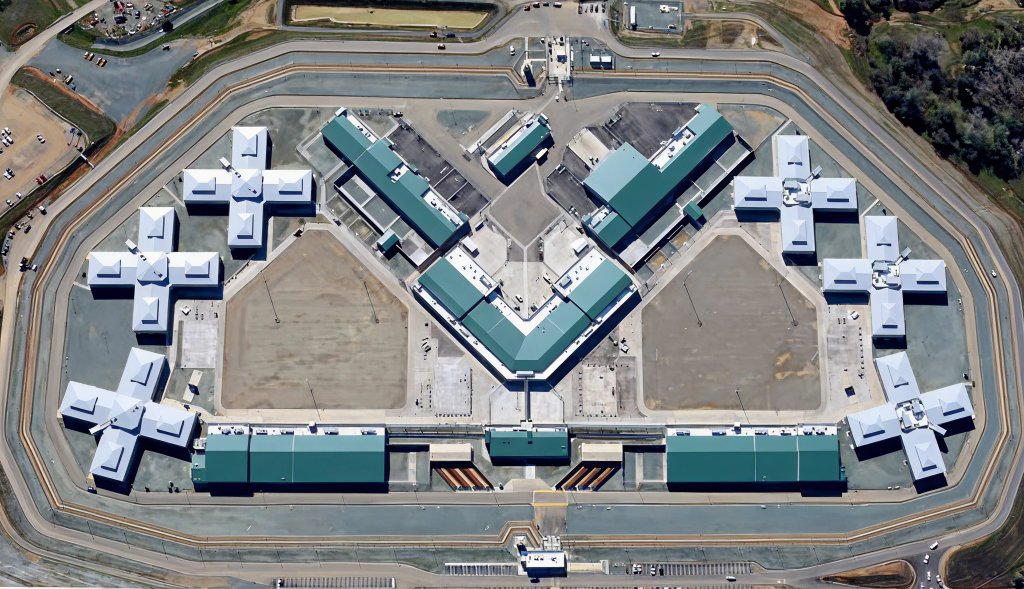
Beyond concrete walls and locked doors, a jail construction project involves hundreds of connected decisions. Architects, builders, and security specialists have to agree on how people will move through the facility and how staff will supervise each area. Detention equipment contractors help turn those plans into systems that work together once the building opens.
Getting the Security Details Right Before Construction Starts
Unlike an ordinary building, a jail has little room for late changes to its security hardware. Door openings, wall construction, observation windows, and locking mechanisms must suit both the layout and the way officers will use the building. Cornerstone detention equipment contractors work with architects and general contractors during preconstruction to review product choices, installation requirements, and costs. Early coordination matters because a detention door frame may need to be anchored while walls are built, rather than added after finishing work. Even a small mismatch between drawings and actual dimensions can hold up several trades. Procurement plans must also account for manufacturing lead times and products specified for different security areas. Shop drawings then give installers dimensions and details for each assembly. Smart planning gives owners a chance to compare purchase prices with likely repair and replacement costs before construction begins.
Why Are Jail Doors More Complicated Than They Look?
Housing-unit doors must withstand frequent use, resist damage, and operate reliably under staff control. Specialized frames, security glazing, reinforced hardware, and locking mechanisms distinguish them from standard commercial doors. Projects using Cornerstone detention center doors need to match each component to the opening and its intended function. A housing-unit entrance may have different requirements from a staff corridor or secure interview room. Emergency release and fire protection requirements must also guide hardware selection.
Installation matters just as much as the product itself. Crews check frame alignment, anchoring, clearances, and locking hardware after surrounding construction is complete. Poor alignment can make a heavy door bind or place unnecessary stress on its components. Integrating the doors with electronic controls also helps staff confirm their status from designated monitoring points without walking to each opening.
Making Sure Electronic Security Works With the Building
Control-room technology needs to communicate reliably with equipment throughout the jail. Electronic locking controls, cameras, intercoms, alarms, and access readers require coordinated plans for wiring, power, equipment locations, and daily use. Working with a Cornerstone security detention equipment contractor can help project teams connect these systems with physical detention hardware and avoid conflicts between electrical and security installations. For example, an electronically controlled door needs more than a compatible lock; its monitoring signals must match the facility’s operating procedures. Project teams also check what appears on control-room screens, how intercom calls reach officers, and which equipment receives backup power. Nonproprietary systems can also give owners more choices for future upgrades. Testing connections before occupancy allows time to identify problems and train staff on how the systems respond during routine operations and emergencies.
Can Modular Jail Cells Keep a Project on Schedule?
Traditional jail construction requires several trades to work inside tight cell areas, often one after another. With modular jails, crews can produce reinforced concrete cells in a dedicated work area while other sections of the facility move forward. Depending on the design, modules can receive selected finishes or detention components before final placement. Prefabrication reduces the number of tasks that must happen inside crowded construction areas.
Scheduling benefits still depend on careful coordination, not simply on making cells ahead of time. Engineers confirm dimensions, lifting plans, structural connections, and utility openings before production starts. Transportation arrangements must account for the modules’ size and access to their final positions. Once installed, concrete units with fewer construction joints can reduce certain long-term maintenance concerns. Production checks help teams catch measurement errors before crews place the heavy units. Completed modules still require properly finished and inspected connections to the surrounding building.
Keeping the Jail Ready After the Installation Crew Leaves
Opening day marks the beginning of daily wear on locks, hinges, door operators, and electronic controls. Officers and maintenance staff need training on normal operation, alarm responses, and routine upkeep. Proper handover records include equipment documentation, warranty terms, and procedures for reporting faults. Regular inspections can spot changes in door alignment, faulty locks, and damaged hardware before they interrupt operations. Owners should consider spare-part availability and whether future upgrades will work with existing control systems. Maintenance records help crews spot recurring faults and prioritize repairs. Service arrangements matter because even durable detention products need repairs over a building’s working life. Agencies planning a new jail or upgrading an existing one can turn to Cornerstone Inc. for detention equipment manufacturing and installation, electronic security integration, modular construction solutions, and ongoing maintenance support


