
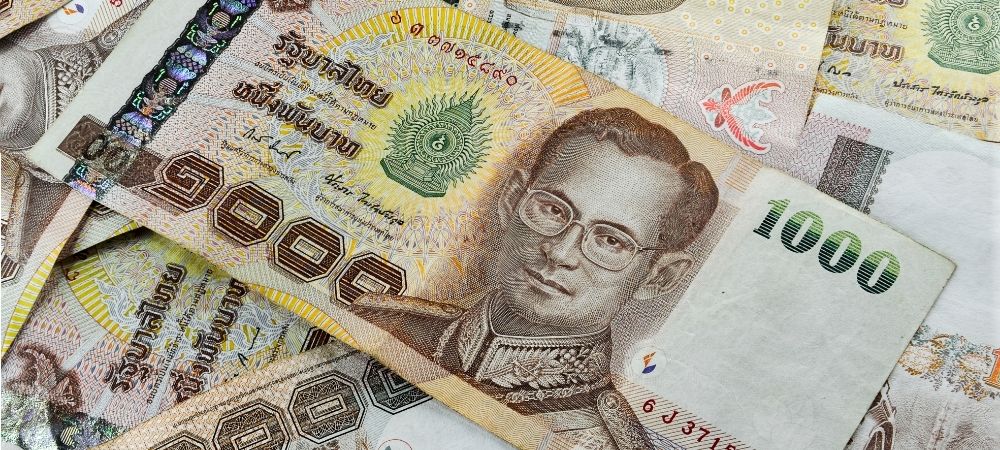
Before exchanging money in Thailand, many visitors search for Thailand Baht Exchange Rate Today to understand what their currency is currently worth. While it may seem like a straightforward number, today’s exchange rate is the result of multiple financial forces working behind the scenes.
Understanding how the Thai Baht moves — and what affects its value — can help travelers, expats, and long-term visitors make better financial decisions.
Why the Thai Baht Changes Daily
The Thai Baht (THB) is influenced by global currency markets. Exchange rates shift constantly due to:
- International trade flows
- Interest rate decisions by central banks
- Inflation data
- Global economic stability
- Tourism demand in Thailand
- Currency strength of the US Dollar, Euro, or Ruble
For example, if the US Dollar strengthens globally, it often means travelers holding USD may receive more baht for the same amount. However, if global markets become volatile, spreads between buy and sell rates can widen.
That’s why checking today’s rate matters — yesterday’s number may no longer reflect current market conditions.
The Difference Between Market Rate and Exchange Rate
When people look up Thailand Baht exchange rate today, they usually see the mid-market rate — the average rate banks use when trading large volumes of currency between themselves.
However, exchange services operate with two visible numbers:
- Buy rate
- Sell rate
The difference between these two is called the spread. This margin covers operating costs, liquidity risk, and currency fluctuation exposure.
Understanding this helps avoid confusion when the rate at an exchange counter is slightly different from what appears in online currency converters.
Why Location in Thailand Matters
Exchange rates can vary slightly depending on where you are:
- Phuket (tourist-heavy, high daily exchange volume)
- Bangkok (financial center with strong currency turnover)
- Pattaya (tourism-driven demand)
Tourism season can also affect availability and rate competitiveness. During peak travel months, demand for Thai Baht rises, and exchange providers adjust accordingly.
Cash vs Non-Cash Exchange: A Practical Difference
The Thailand Baht exchange rate today may also depend on how you convert your money:
Cash exchange
This is straightforward — the rate is posted, and you receive baht instantly.
Card-based exchange or transfers
Rates may differ due to banking fees or transaction costs.
ATM withdrawals
These often include local ATM fees and potential foreign transaction charges from your home bank. Additionally, selecting the wrong conversion option at the ATM can lead to less favorable rates.
For this reason, the “best rate” is not just about the number displayed — it’s about the final baht you receive after all costs.
Why Some Currencies Have Tiered Rates
In Thailand, certain currencies may have different rates depending on:
- Amount exchanged
- Bank source
- Denomination size (in some cases for USD or other major currencies)
- Transfer vs in-person exchange
This tiered system allows exchange providers to manage currency supply efficiently while accommodating both small and large transactions.
Transparency and Documentation
Licensed exchange services in Thailand typically:
- Display clearly updated rates
- Operate from fixed office locations
- Provide transaction documentation when required
- Maintain consistent working hours
For travelers handling larger sums — such as paying for housing, vehicles, or long-term stays — having documentation can be particularly useful.
Monitoring Exchange Rates During Your Stay
If you are staying in Thailand for more than a few days, it can be helpful to monitor exchange rates rather than converting everything at once. Small fluctuations can add up, especially for larger transactions.
A practical approach many long-term visitors use:
- Check the rate at least once daily
- Compare cash and transfer options
- Avoid exchanging at airports unless necessary
- Confirm rates before finalizing the transaction
Final Thoughts
Searching for Thailand Baht exchange rate today is more than a routine currency check. It’s a financial awareness step that helps you maximize value while traveling or living in Thailand.
Exchange rates fluctuate constantly, influenced by global economics and local demand. By understanding how rates are structured and what affects them, you can make informed decisions and avoid unnecessary costs — ensuring your time in Thailand remains focused on experiences, not financial surprises.


