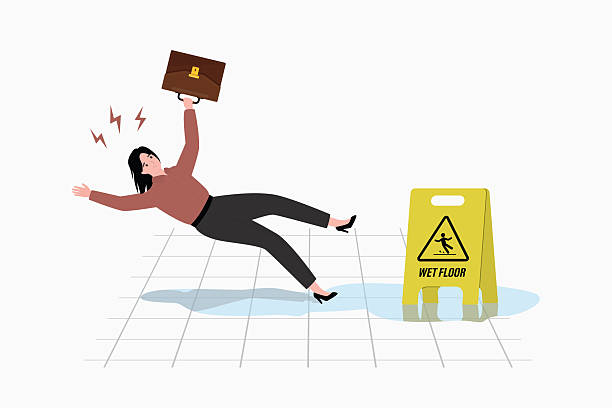
You’re walking into a grocery store, thinking about lunch or maybe that video you didn’t finish watching last night, and whoops — next thing you know you’re kind of sliding on someone’s spilled smoothie like it’s a failed ice‑skating audition. The floor seemed fine two seconds ago, but now you’re texting your friend like “Yeah, I totally fell… again.” In situations like that you might not be thinking about legal stuff at first, but honestly sometimes you do need a slip and fall injury lawyer houston before the insurance adjuster tries to twist your words like a pretzel. I mean, it’s almost funny until it’s not — kind of like when you realize coffee stains don’t come out as well as TikTok tutorials said they would.
This totally happened to my cousin’s roommate last year. They slipped in a mall entrance — just a slick patch, no warning signs, no nothing. She laughed it off at first like “Lol I’m fine,” but then her ankle swelled up like she was auditioning for a balloon animal class. Next thing she knows, she’s in urgent care, then frustrated calls with the property insurance people who kept asking super weird questions like “Did you see the spill before you fell?” as if she had X‑ray vision. That’s when someone finally suggested she talk to an attorney because what seemed like a simple tumble turned into a lot more stress than chewing a mouthful of wasabi by accident.
Accidental Falls Are Way More Common Than People Think
Slip and fall accidents are one of those weird things that seem like a total fluke — until suddenly you’ve seen three stories about them just this week on social feeds. Someone’s sliding on a rainy sidewalk, someone trips because a rug was “decorative but deadly,” or a spill in a store entrance gets ignored like last year’s fashion trends. People post about it like it’s a punchline: “Me: Walking into Walgreens like a champ. Also me five seconds later: Face‑plants 2025 edition.” Fun to watch on a phone, not so fun when it’s you.
And let me tell you, injuries from falls can be seriously tricky. It’s not just about the bruise you show off like a badge to your friends. Sometimes weeks later your back feels weird, or your wrist starts throbbing like a DJ concert went wrong, or your doctor is telling you to ice it and “maybe get some PT.” Suddenly you’re spending time reading medical receipts with the enthusiasm of a cat watching water boil. That’s the kind of growing list of headaches that make you think, “Okay maybe I do need help,” and that’s where real legal experience actually matters.
Why Insurance Adjusters Sound Nice Until They Don’t
Here’s a weird truth: insurance people are super polite until you actually want something from them. Asking for compensation after a slip and fall feels a little bit like asking for extra napkins in a busy diner — seeming simple but somehow outrageously complicated. They start with friendly voices and then suddenly turn into puzzle masters asking whether you “took reasonable care” before you literally fell. The amount of twisting logic in that question would make a philosopher dizzy.
I once saw someone on Twitter post a screenshot of an insurance email asking whether they were “fully aware of potential hazards” before stepping on a wet floor. I mean, I was impressed by their nerve. I guess the adjuster was hoping the person fell with a checklist in hand and read all the fine print? It’s absurd, but that’s exactly why having someone who’s done this before — a lawyer who knows how to communicate with adjusters — can be a lifesaver. They don’t let you get stuck apologizing for gravity like it’s your fault.
Medical Bills Don’t Calm Down Just Because You Do
You know that moment after you fall when everything seems fine? Then two days later your knee feels like it hosted a small angry village? Yeah, that’s a classic timeline for these kinds of injuries. You might be thinking “I’ll tough it out,” until you get a stack of medical bills that look like a ransom note. Orthopedists, X‑rays, pain meds, that weird gel they apply and explain in scientific jargon — suddenly it’s more confusing than assembling IKEA furniture blindfolded.
I remember someone posting on Instagram with crutches saying something like “Me and my ankle have a complicated relationship now.” Relatable, but also a real situation where someone might deserve compensation if the fall wasn’t their fault. And if you try to deal with insurance by yourself when medical costs show up weeks later? That’s like trying to solve a Sudoku puzzle while your coffee gets cold. You might get it eventually, but it’s a lot easier with someone who knows what they’re doing beside you.
Accidents Aren’t Just Funny Videos — They Have Real Consequences
There’s a weird culture online where slip and fall videos get shared for laughs — someone wiping out on a banana peel or misjudging a curb and doing this slow‑motion flail that makes everyone chuckle. And yes, some of those are funny in a “thank goodness nobody got hurt” way. But the reality is that a lot of people do get hurt, and it’s not funny when you’re trying to sleep at night because your back feels like it hosted a drum solo.
One time I watched a TikTok story where someone slipped at a popular coffee shop and ended up stuck in follow‑up therapy for months. Their caption was like “This latte ended me,” which cracked me up until I realized how annoying and expensive it actually was for them. That’s life — weird and sometimes unfair — and it’s exactly why thinking about a legal professional isn’t just something lawyers suggestion boxes talk about. It’s something real people actually need when the world decides gravity is its favorite game.
Getting Help Doesn’t Mean You’re Weak — It Means You’re Smart
Listen, I know — reaching out to a lawyer might feel awkward. You imagine courtrooms, dramatic lawyers with booming voices, or maybe a billboard with someone pointing at the camera like “Call Now!” But slip and fall injury lawyers in Houston do way more than stand around and look serious. They decode medical stuff, talk to insurance adjusters so you don’t have to, and keep you from accidentally saying something that makes your claim weaker because you were sleep‑deprived and confused.